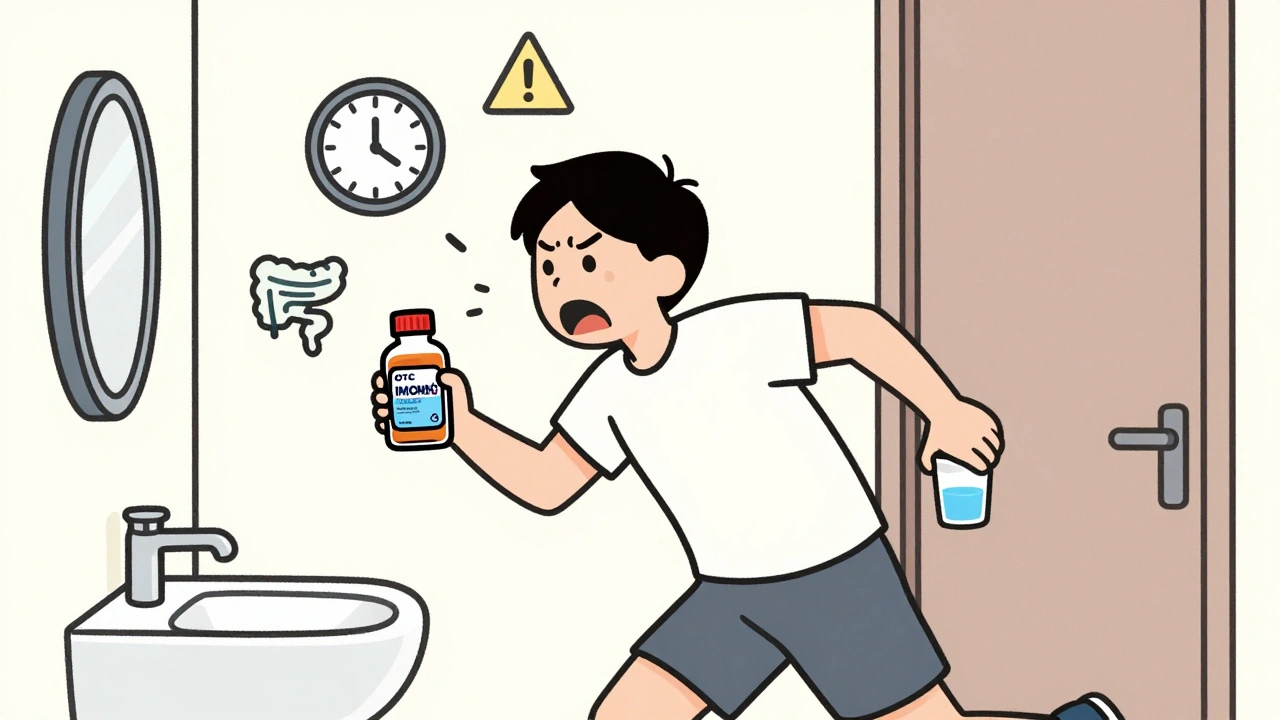
OTC Diarrhea Treatments: When to Use and When to See a Doctor
Learn when to use OTC diarrhea treatments like Imodium and Pepto-Bismol - and when to skip them and see a doctor. Get clear guidance on safe dosing, red flags, and hydration.

When your stomach feels off, Pepto-Bismol, an over-the-counter medication used to treat nausea, heartburn, indigestion, and diarrhea. Also known as bismuth subsalicylate, it’s one of the most recognizable red bottles in the medicine cabinet. You’ve probably seen it on the shelf after a spicy meal or a long flight. But what’s actually inside, and does it do what people say it does?
Pepto-Bismol works in a few simple ways. The active ingredient, bismuth subsalicylate, a compound that reduces inflammation in the gut and coats the lining to soothe irritation, helps calm nausea and slow down loose stools. It also kills certain bacteria linked to traveler’s diarrhea, like E. coli. Unlike some antacids that just neutralize acid, Pepto-Bismol acts on the gut itself. That’s why it’s often used for more than just heartburn—it’s a go-to for full-on digestive upset.
But it’s not magic. It won’t fix food poisoning, ulcers, or chronic IBS. And if you’re taking blood thinners, aspirin, or have a salicylate allergy, it could be risky. The bismuth in it can turn your stool black and your tongue gray—gross, but harmless. That’s a sign it’s working, not a warning. Still, if symptoms last more than two days, or if you’re vomiting blood or having severe pain, you need a doctor, not a bottle.
There are better options for some people. Pregnant women are usually told to avoid it. Kids under 12 shouldn’t take it because of the salicylate risk. And if you’re dealing with recurring digestive issues, Pepto-Bismol might just be masking the problem. The posts below cover real cases where people used it, what worked, what didn’t, and when to skip it entirely. You’ll find advice on managing upset stomachs without relying on OTC fixes, how to spot when digestive symptoms are serious, and what alternatives actually help—like probiotics, dietary tweaks, and when to use something like loperamide instead.
Whether you’re trying to figure out if Pepto-Bismol is right for you, or you’ve been using it for years and want to know what’s really happening in your gut, the articles here give you the straight facts—not marketing, not myths, just what the science and real patients say.
Learn when to use OTC diarrhea treatments like Imodium and Pepto-Bismol - and when to skip them and see a doctor. Get clear guidance on safe dosing, red flags, and hydration.