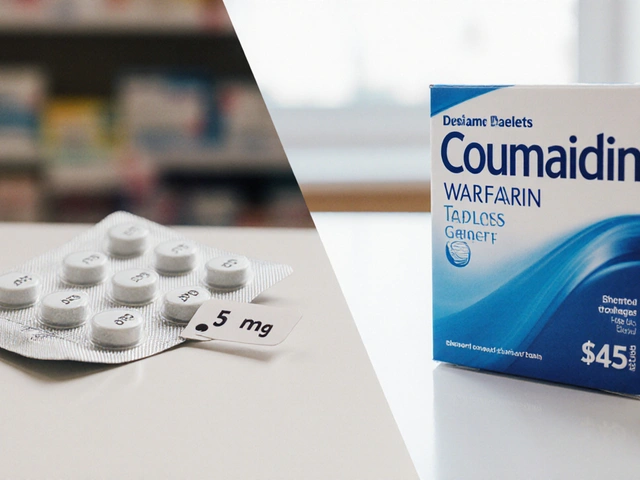
Pharmaceutical Patents: What They Are, Why They Matter, and How They Shape Your Medicines
When you take a pill, you might not think about the pharmaceutical patents, legal protections that give drug companies exclusive rights to sell a new medicine for a set time. Also known as drug patents, these are the foundation of how new medications reach you—and why some cost so much. Without them, companies wouldn’t risk spending $2 billion and over a decade to develop a single drug. But once the patent runs out, prices drop fast. That’s the real story behind your prescription costs.
Pharmaceutical patents directly influence generic drugs, lower-cost versions that become available after patent expiration. For example, when the patent for a cholesterol drug like atorvastatin expired, dozens of generic brands flooded the market, slashing prices by 90%. This isn’t magic—it’s the system working as designed. But patent extensions, legal loopholes, and evergreening tactics sometimes delay this process, keeping prices high longer than intended. The FDA approval, the process that ensures a drug is safe and effective before it reaches patients doesn’t end with a patent. It continues through generic submissions, where companies prove their version works just like the original. That’s why you see so many posts here about bioequivalence, partial AUC, and drug interactions—those are the tools used to prove generics are safe to swap in.
Patents also affect how fast new treatments reach patients. A patent on a cancer drug might mean a family waits years for an affordable option. But when that patent expires, clinics can prescribe generics, and insurers can cover them. That’s why posts on statin side effects, calcium channel blockers, and biosimilars all tie back to this system. Biosimilars, for instance, aren’t generics—they’re complex biologic copies that face their own patent battles. Pharmacists and patients need to understand these timelines to make smart choices.
And it’s not just about money. Patent rules determine which drugs get studied next. If a company knows it can’t protect a drug for long, it might skip developing it. That’s why rare disease drugs are often expensive—they’re the ones with no competition and long patent lives. Meanwhile, common conditions like high blood pressure or allergies see rapid generic turnover because the patents expire quickly.
What you’ll find in this collection are real-world examples of how patents shape everything: from how a pharmacist decides whether to substitute a drug, to why a travel emergency requires a different approach when your brand-name med isn’t available, to how a new statin gets approved after the old one’s patent runs out. These aren’t abstract legal concepts—they’re the invisible hand behind your pill bottle. Whether you’re managing a chronic condition, switching meds, or just trying to save money, understanding pharmaceutical patents helps you ask the right questions—and get better care.
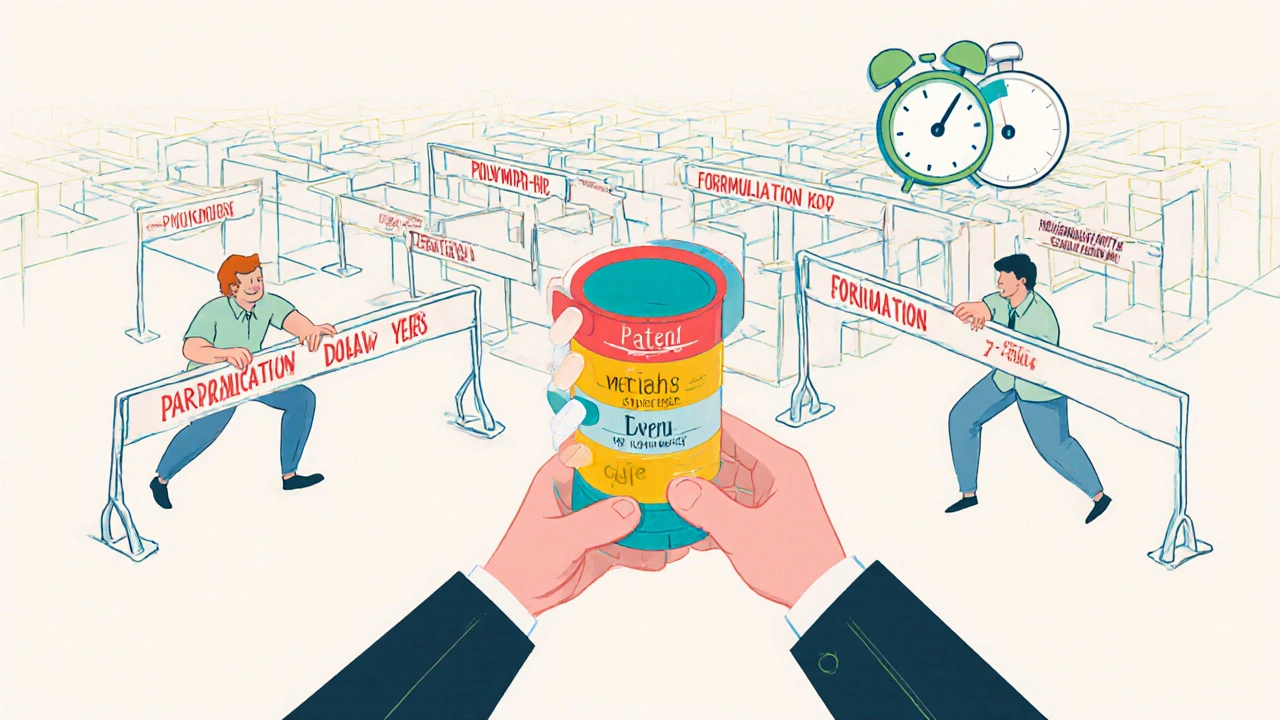
Secondary patents let pharmaceutical companies extend market exclusivity by patenting minor changes to existing drugs, delaying generic competition and keeping prices high. Learn how these patents work, who benefits, and why they’re under growing scrutiny.