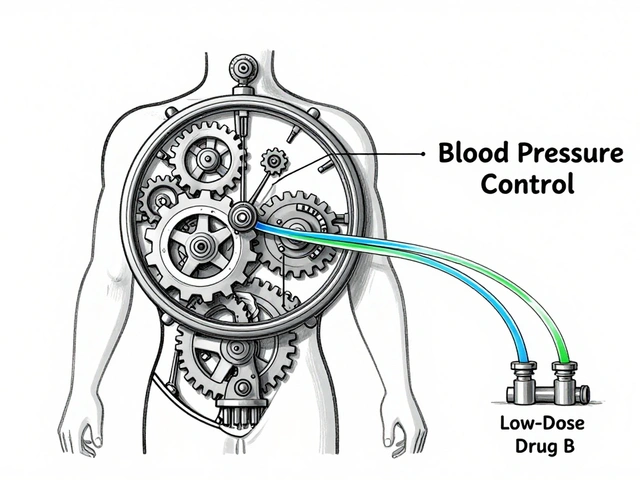
Pharmacokinetic Interactions: How Drugs Affect Each Other in Your Body
When you take more than one medication, your body doesn’t treat them like separate events—it sees a chemical tug-of-war. This is where pharmacokinetic interactions, the way drugs change how your body absorbs, distributes, metabolizes, or eliminates other drugs. Also known as drug-drug interactions, they can turn a safe treatment into a dangerous one—or make a drug completely useless. These aren’t just theoretical risks. They’re behind why some people get sick on standard doses, why certain meds stop working, or why a simple supplement like St. John’s wort can wreck your prescription regimen.
At the heart of this are four key processes: absorption, how a drug enters your bloodstream, distribution, where it goes once in your blood, metabolism, how your liver breaks it down, and excretion, how your kidneys flush it out. If one drug slows down liver enzymes like CYP3A4, another drug can build up to toxic levels—like when grapefruit juice boosts statin levels and causes muscle damage. Or if a drug speeds up metabolism, your treatment might vanish before it can work. That’s why switching statins or adjusting doses isn’t just about side effects—it’s about keeping the right drug concentration in your system.
These interactions don’t just happen with pills. They show up in supplements, over-the-counter sleep aids, even foods. Take melatonin and certain antidepressants—both processed by the same liver enzymes—and you might end up with dizziness or worse. Or consider creatine and kidney meds: if your kidneys are already strained, creatine can falsely raise creatinine levels and mislead doctors into thinking you’re in danger. That’s why knowing your full medication list matters more than ever. The posts here cover real-world examples: how stimulants can trigger heart rhythm problems when mixed with certain heart drugs, how antihistamines behave differently in pregnancy because of liver changes, and why replacing lost meds abroad isn’t just about getting a refill—it’s about matching the exact pharmacokinetic profile of your original drug.
What you’ll find below isn’t a list of warnings—it’s a practical guide to understanding what’s really happening inside your body. Whether you’re managing statin side effects, choosing non-drowsy allergy meds, or trying to avoid dangerous combos with moxifloxacin, every post here ties back to one truth: pharmacokinetic interactions decide whether your treatment works—or fails. You don’t need a pharmacy degree to protect yourself. You just need to know what to ask, what to watch for, and which drugs play well together—and which don’t.
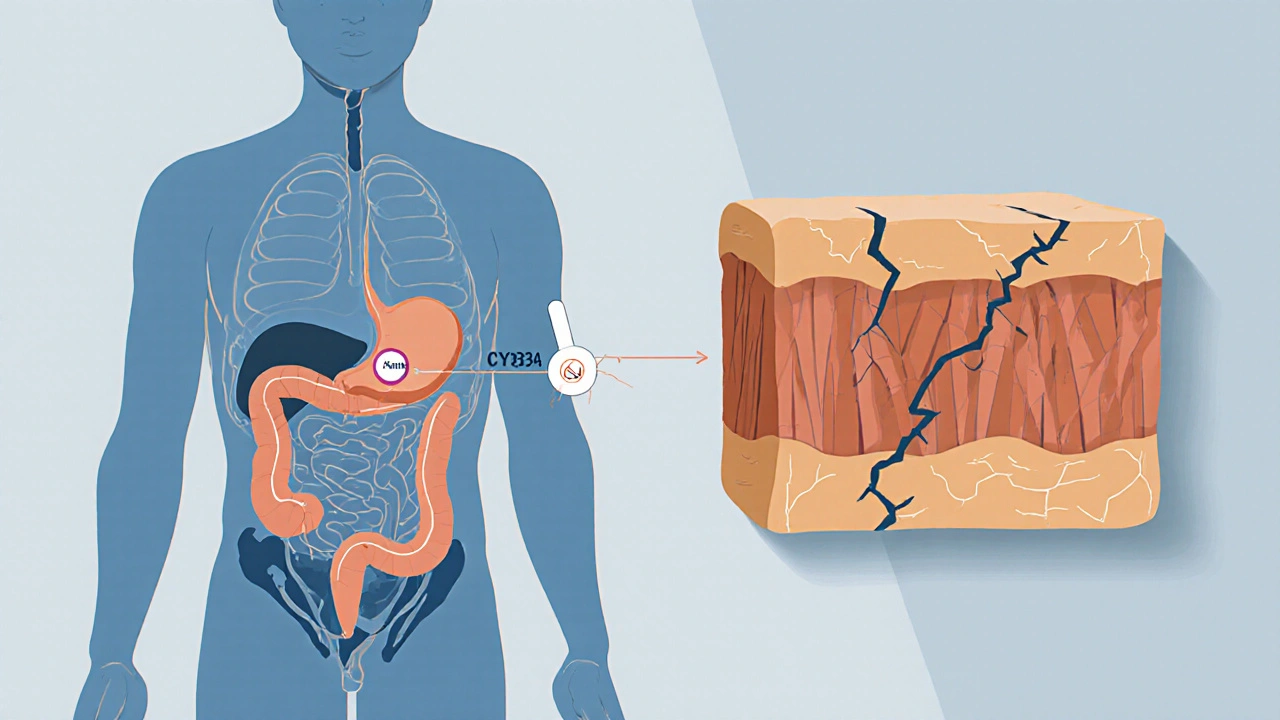
Learn the difference between pharmacokinetic and pharmacodynamic drug interactions-how they work, why they matter, and how to avoid dangerous combinations. Real-world examples and expert insights.