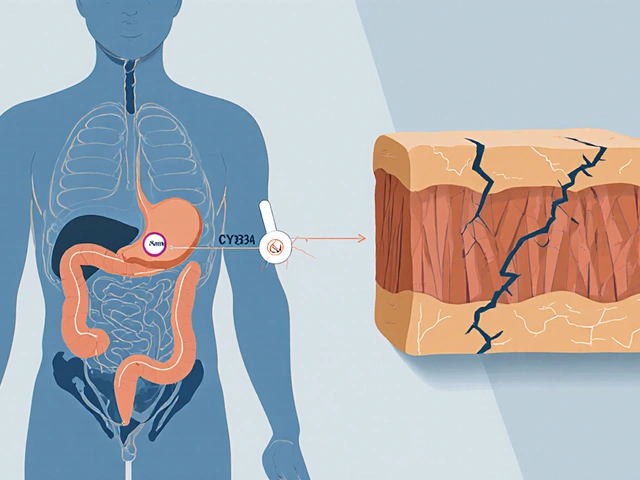
Rheumatoid Arthritis Monitoring: What to Track and Why It Matters
When you have rheumatoid arthritis, a chronic autoimmune condition where the immune system attacks the joints, causing pain, swelling, and long-term damage. Also known as RA, it doesn't just hurt—it quietly destroys cartilage and bone over time if left unchecked. That’s why rheumatoid arthritis monitoring isn’t optional. It’s the difference between managing symptoms and stopping the disease in its tracks.
Monitoring isn’t just about how your knees feel on a Monday morning. It’s about hard numbers: CRP, C-reactive protein, a blood marker that rises when inflammation is active, and ESR, erythrocyte sedimentation rate, another inflammation indicator that’s been used for decades. These aren’t just lab results—they’re early warning signs. A spike in CRP might mean your medication needs adjusting before you even feel worse. Doctors also track DAS28, a scoring system that combines joint counts, blood markers, and patient-reported pain to measure disease activity. If your DAS28 stays above 3.2, you’re not in remission—you’re still at risk for damage.
Imaging matters too. X-rays show bone erosion, but MRIs and ultrasounds catch swelling and tendon damage years earlier. Many patients don’t realize their joints are deteriorating because they don’t hurt yet. That’s why routine scans, even when you feel fine, are part of smart monitoring. And it’s not just the joints. Rheumatoid arthritis affects your heart, lungs, and eyes. Regular checkups for blood pressure, cholesterol, and lung function aren’t optional add-ons—they’re part of the same fight.
What you track at home counts too. Daily pain logs, morning stiffness duration, and how many steps you can take before fatigue hits give your doctor real-world data. Apps and wearable trackers help, but even a simple notebook works. The goal isn’t perfection—it’s pattern recognition. If your pain spikes every time you skip your methotrexate, or if your hands swell after a stressful week, that’s valuable intel.
Some people think once they’re on medication, monitoring stops. That’s a mistake. Treatments change. Your body changes. What worked last year might not work now. And if you’re on biologics or JAK inhibitors, you need regular blood tests to watch for infections or liver stress. This isn’t about fear—it’s about control. The more you know, the less your arthritis controls you.
Below, you’ll find real guides from patients and doctors on how to track your RA effectively—what tests to ask for, which symptoms to never ignore, and how to talk to your rheumatologist so you’re not just surviving, but staying ahead of the disease.
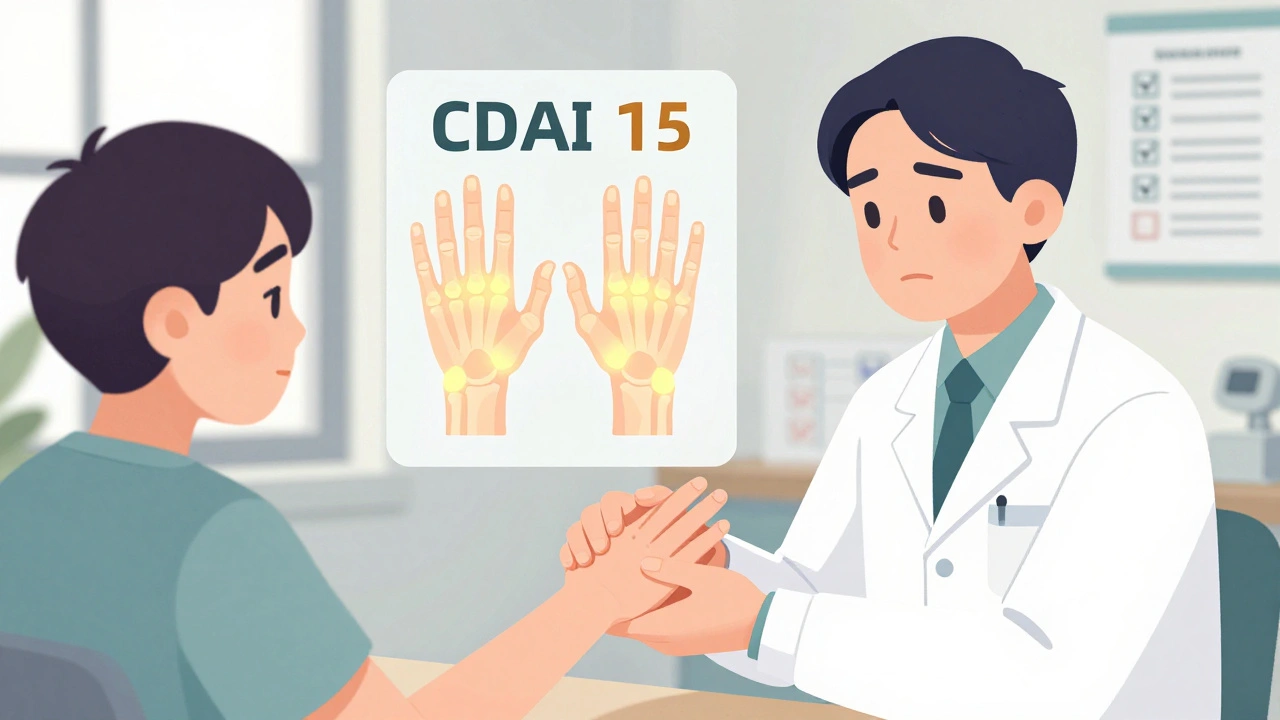
CDAI, DAS28, and imaging are key tools for tracking rheumatoid arthritis. Learn how each works, when to use them, and why combining them leads to better outcomes and less joint damage.