SGLT2 Inhibitors: How They Work, Who They Help, and What You Need to Know
When you hear SGLT2 inhibitors, a class of oral diabetes drugs that lower blood sugar by making the kidneys remove excess glucose through urine. Also known as gliflozins, they’re not just for diabetes—they’re now a go-to for people with heart failure or chronic kidney disease, even if they don’t have diabetes. Unlike older drugs that push insulin or block sugar production, SGLT2 inhibitors let your body naturally flush out sugar you don’t need. That’s why they’re linked to fewer heart attacks, slower kidney decline, and less hospitalization for heart failure.
These drugs work by blocking a protein in your kidneys called SGLT2—short for sodium-glucose cotransporter 2. Normally, your kidneys reabsorb almost all the glucose filtered from your blood. SGLT2 inhibitors stop that, so about 60 to 80 grams of sugar leave your body every day through urine. That’s like throwing away two cans of soda without even trying. This doesn’t just lower blood sugar—it reduces pressure on your heart and kidneys, which is why doctors now prescribe them for people with heart failure, even without diabetes. One big study showed that patients on these drugs were 30% less likely to be hospitalized for heart failure, regardless of whether they had type 2 diabetes.
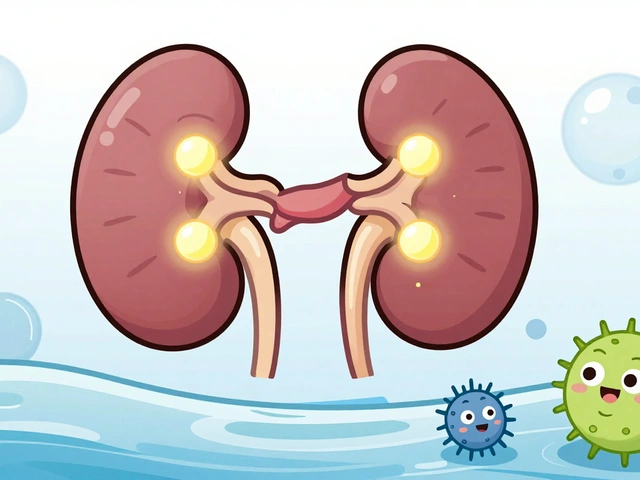
They also help protect your kidneys. For people with chronic kidney disease, SGLT2 inhibitors slow the loss of kidney function and reduce the risk of needing dialysis. That’s huge. The FDA approved them for kidney protection in 2022, making them one of the few drugs with proven benefits across heart, kidney, and blood sugar health. They’re often used alongside other medications like metformin or GLP-1 agonists, but they don’t cause low blood sugar on their own, which makes them safer for many people. Side effects? Mostly urinary tract or yeast infections because of the extra sugar in urine—but these are usually mild and treatable. Dehydration is a risk if you’re not drinking enough, so staying hydrated matters.
What you won’t find in most ads is that these drugs are changing how doctors think about chronic disease. They’re not just sugar-lowering pills anymore. They’re disease-modifying treatments that improve outcomes across multiple organ systems. If you’ve been told you have prediabetes, heart failure, or early kidney damage, asking about SGLT2 inhibitors could be one of the smartest questions you ever ask your doctor. Below, you’ll find real patient experiences, comparisons with other treatments, and what to watch for when starting one.
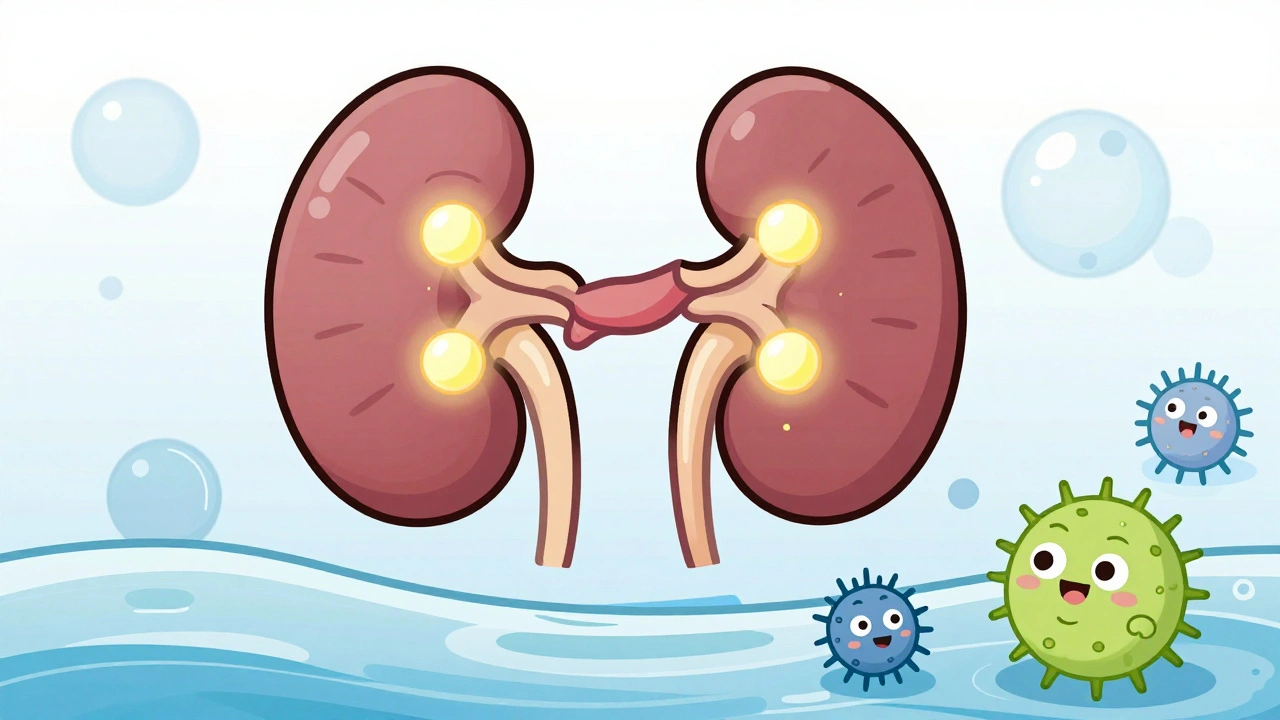
SGLT2 inhibitors help lower blood sugar in type 2 diabetes but increase the risk of yeast and urinary tract infections. Learn who’s most at risk, what symptoms to watch for, and how to stay safe while using these powerful medications.