Statin Dose Adjustment: How to Find the Right Amount for Your Heart
When you take a statin, a class of drugs used to lower LDL cholesterol and reduce heart attack risk. Also known as HMG-CoA reductase inhibitors, they work by blocking a liver enzyme that makes cholesterol. But the right dose isn’t the same for everyone — it depends on your genetics, other meds, liver health, and how your body reacts.
Too little and your cholesterol won’t drop enough. Too much and you risk muscle pain, liver stress, or even rare but serious side effects like rhabdomyolysis. Doctors don’t just pick a dose from a chart — they watch how you respond. If your LDL stays above target after 6–12 weeks, they might increase the dose. If you get muscle aches or your liver enzymes spike, they’ll lower it or switch you to a different statin. It’s not about taking the highest dose possible — it’s about finding the lowest dose that still works.
Some people need high-intensity statins like atorvastatin 40–80 mg or rosuvastatin 20–40 mg to hit their LDL goal. Others do fine on low-dose pravastatin or fluvastatin. Age, kidney function, and other drugs you take — like cyclosporine or fibrates — can change how your body processes statins. That’s why dose adjustment isn’t just about numbers on a lab report. It’s about your energy, your muscles, your sleep, and how you feel day to day. If you’ve ever stopped your statin because of side effects, you’re not alone. Many people need a tweak, not a quit.
Statin dose adjustment also ties into broader heart health. It’s not just about cholesterol. It’s about inflammation, plaque buildup, and long-term risk. That’s why you’ll see posts here about lipoprotein(a), a genetic cholesterol risk that doesn’t respond to statins the way LDL does, and why some people still need extra treatments even after their statin dose is optimized. You’ll also find advice on pharmacokinetic interactions, how other drugs affect how statins are broken down in your body, and what to watch for when you’re on multiple meds.
There’s no magic formula. But with the right info, you can have smarter conversations with your doctor. You’ll learn what lab results matter most, when to ask for a dose change, and how to tell if your symptoms are normal or a red flag. Below, you’ll find real-world guides on statin alternatives, managing side effects, and how to stay safe while adjusting your treatment. No fluff. Just what works.
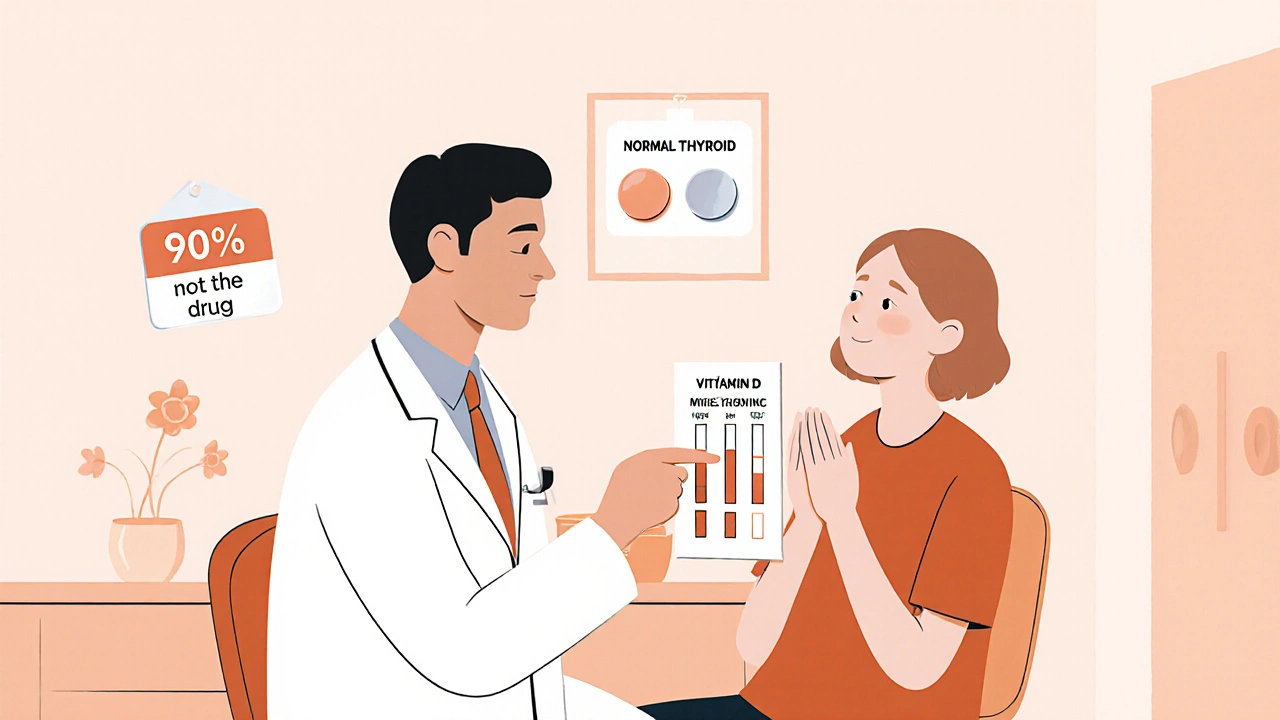
Most people who quit statins due to muscle pain can actually tolerate them with dose adjustments or switching to a different statin. Learn proven strategies to manage side effects and stay on life-saving treatment.