Statin Intolerance: What It Is, Why It Happens, and What You Can Do
When you hear statin intolerance, a condition where people can’t tolerate cholesterol-lowering statin drugs due to side effects like muscle pain or fatigue. Also known as statin-associated muscle symptoms, it’s not just a mild annoyance—it’s a real barrier to heart health for millions. Unlike typical drug side effects that fade with time, statin intolerance sticks around, often leading people to quit their meds altogether—even when their cholesterol is dangerously high.
It’s not just about muscle pain. Some people get liver enzyme changes, brain fog, or even digestive issues that don’t go away. And here’s the catch: many of these symptoms aren’t caused by the statin itself, but by how your body reacts to it. Studies show that up to 1 in 10 people stop statins because of discomfort, and nearly half of those who quit do so without ever talking to their doctor. That’s dangerous. High LDL cholesterol doesn’t care if you feel tired—it silently builds plaque in your arteries.
That’s where alternative cholesterol treatments, options like ezetimibe, PCSK9 inhibitors, or bile acid sequestrants that lower LDL without statins. Also known as non-statin lipid-lowering therapies, these aren’t just backup plans—they’re proven tools that work for people who can’t take statins. You might also hear about statin side effects, the common, often temporary reactions like mild muscle soreness or digestive upset that many people confuse with true intolerance. But true intolerance means you can’t even try a low dose without serious discomfort. And if you’ve been told it’s "just in your head," that’s outdated thinking. This is real, measurable, and treatable.
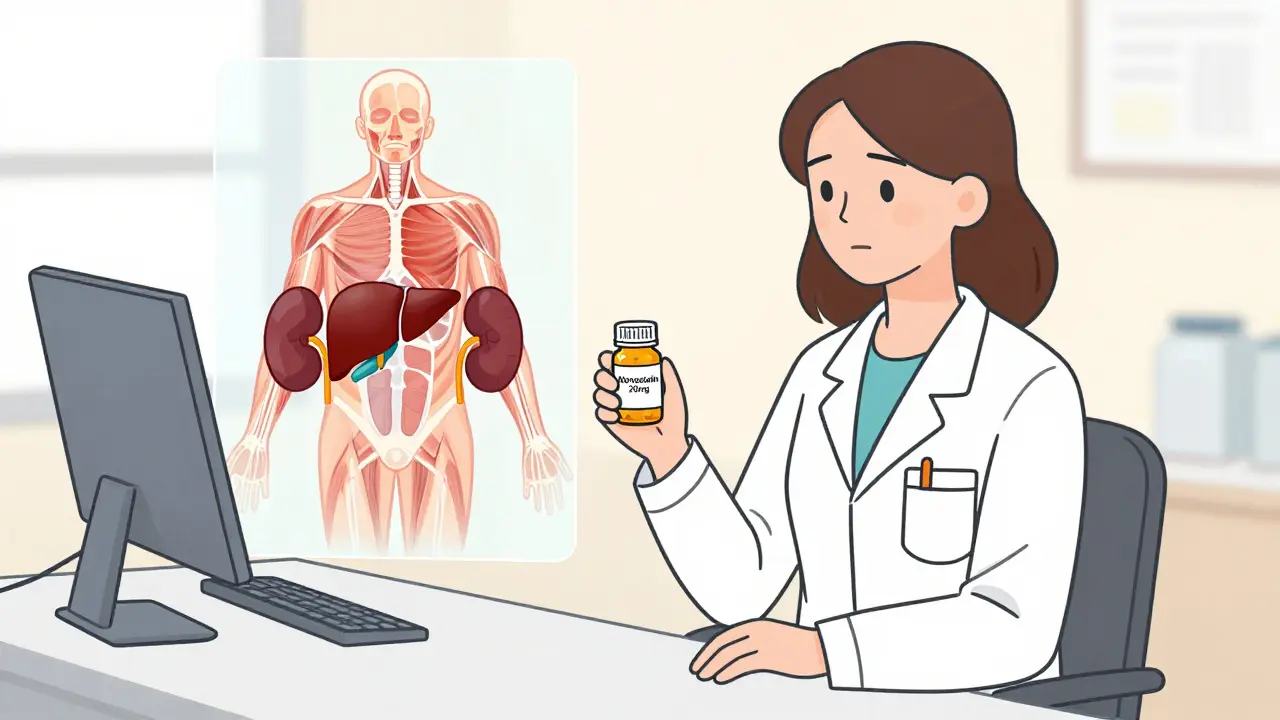
What’s missing from most conversations is that statin intolerance isn’t one-size-fits-all. For some, it’s genetics. For others, it’s vitamin D deficiency, thyroid issues, or even interactions with other meds. That’s why a good doctor doesn’t just say "stop statins"—they dig deeper. They test for coenzyme Q10 levels, check kidney and liver function, and look at your full medication list. Sometimes, switching from a lipophilic statin like simvastatin to a hydrophilic one like rosuvastatin makes all the difference.
You’ll find posts here that cover everything from how to tell if your muscle pain is from statins or just aging, to what actually works when statins are off the table. We’ve got guides on statin intolerance alternatives backed by real patient outcomes, not just theory. You’ll learn how to talk to your doctor about testing, what supplements might help (and which ones are a waste), and how to track your progress without relying on statins. This isn’t about avoiding medication—it’s about finding the right one for your body.
Women experience statin side effects differently than men-higher rates of muscle pain, increased diabetes risk, and lower adherence due to communication gaps. Learn why and what to do about it.
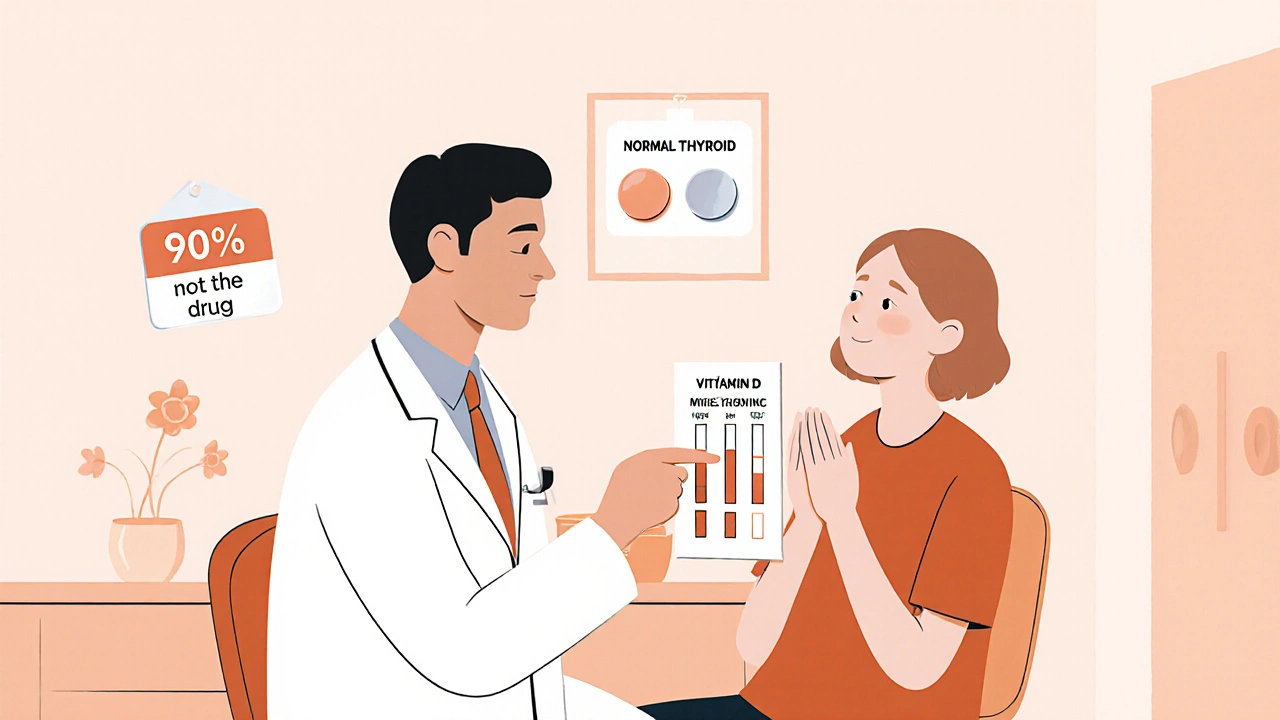
Most people who quit statins due to muscle pain can actually tolerate them with dose adjustments or switching to a different statin. Learn proven strategies to manage side effects and stay on life-saving treatment.