Statin Side Effects: What You Need to Know Before Taking Cholesterol Medication
When you take a statin, a class of drugs used to lower LDL cholesterol and reduce heart attack risk. Also known as HMG-CoA reductase inhibitors, these medications are among the most prescribed drugs in the world—but they’re not harmless. Millions rely on them to stay healthy, but many don’t know what’s really going on in their bodies while taking them.
One of the most common complaints is muscle pain, a dull ache or weakness that often shows up in the thighs, shoulders, or calves. It’s not always serious, but if it’s bad enough to stop you from walking or lifting things, you need to talk to your doctor. Some people also report fatigue, a constant tiredness that doesn’t go away with rest, or even memory fog—though studies on this are mixed. The real red flags? Unexplained dark urine, yellowing skin, or persistent nausea. Those could point to liver damage, a rare but dangerous side effect that shows up in blood tests.
Statins work by blocking an enzyme your liver uses to make cholesterol, but that same enzyme is also involved in producing coenzyme Q10, which your muscles need for energy. That’s why muscle issues are so common. Not everyone gets them, and not all muscle pain is from statins—but if you start feeling off after beginning the drug, don’t ignore it. Your doctor can check your liver enzymes, test for muscle damage (CK levels), or switch you to a lower dose or a different statin. Some people do better on rosuvastatin, others on pravastatin. It’s not one-size-fits-all.
And here’s something most people don’t realize: statins aren’t the only way to manage cholesterol. Diet, exercise, and even certain supplements like plant sterols or red yeast rice can help—sometimes enough to avoid or reduce the dose. But if you’re on a statin, don’t quit cold turkey. Stopping suddenly can spike your cholesterol and raise your heart risk. Work with your doctor to find the balance between safety and effectiveness.
What you’ll find in the posts below aren’t just warnings or scare stories. These are real, practical guides from people who’ve been there—how to tell if your symptoms are normal, what blood tests to ask for, which statins cause fewer side effects, and what to do when the pills stop working. No fluff. Just clear answers to the questions you’re too busy or too overwhelmed to ask your doctor.
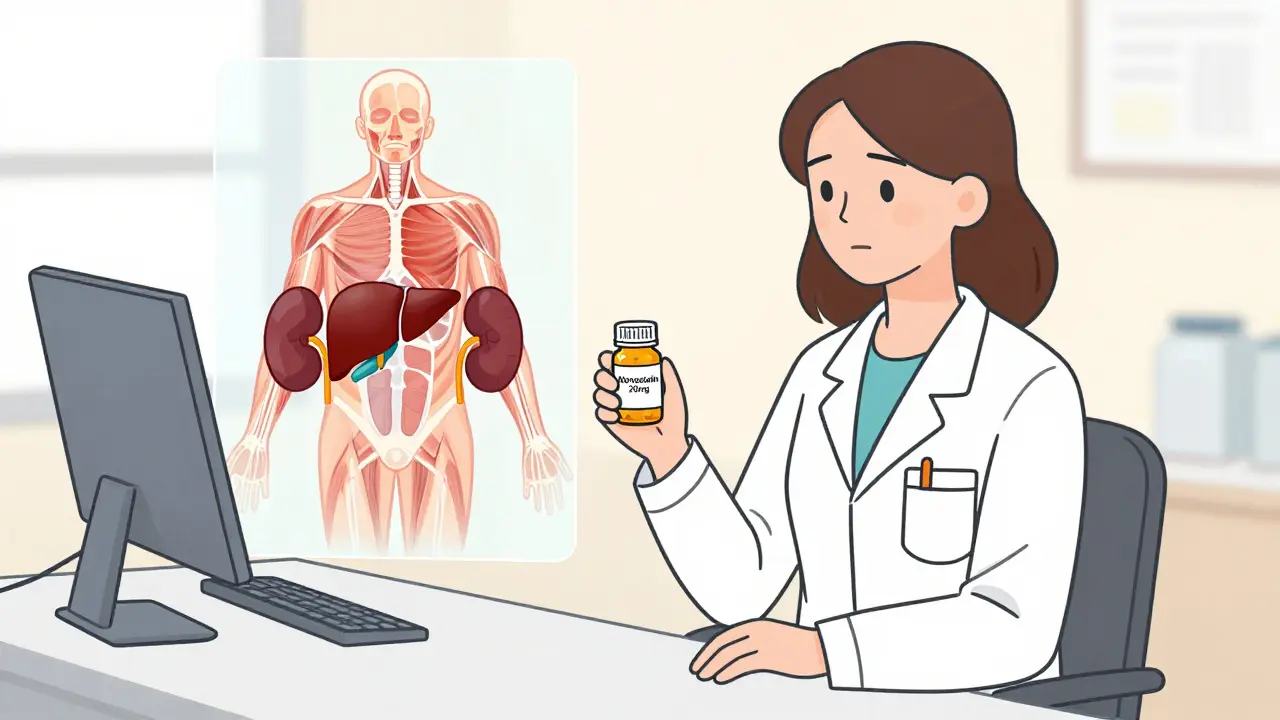
Women experience statin side effects differently than men-higher rates of muscle pain, increased diabetes risk, and lower adherence due to communication gaps. Learn why and what to do about it.
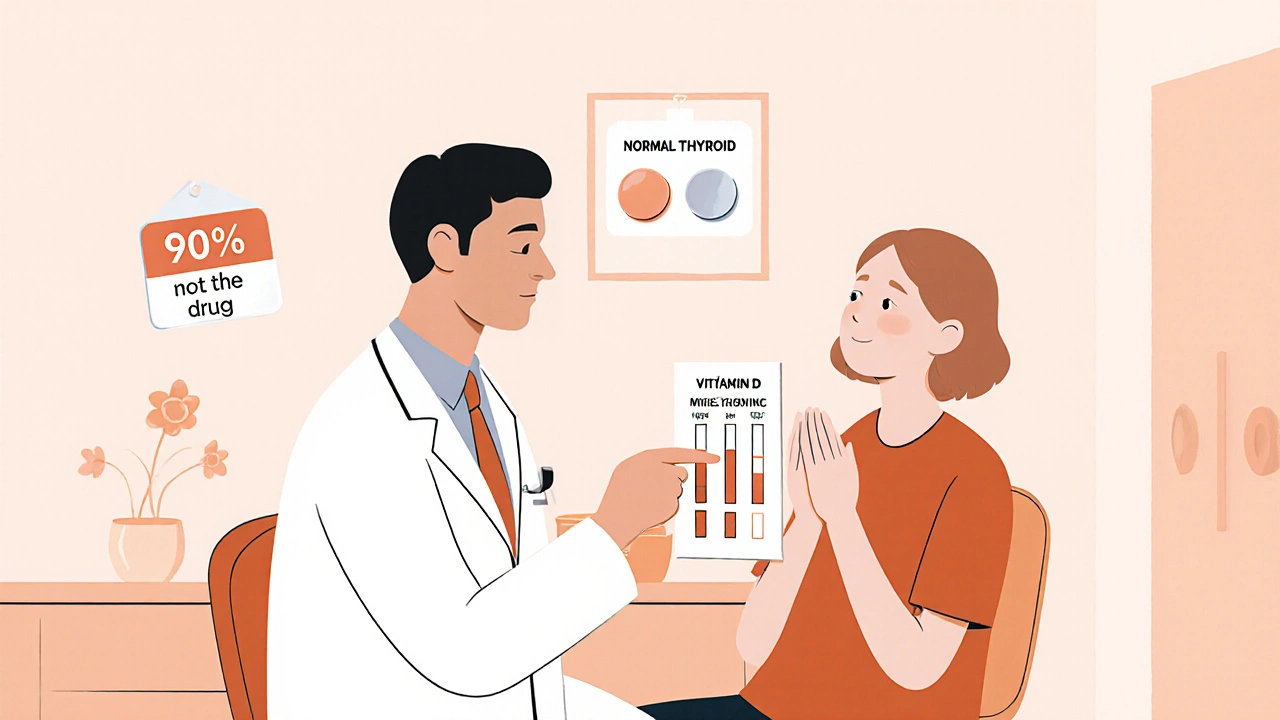
Most people who quit statins due to muscle pain can actually tolerate them with dose adjustments or switching to a different statin. Learn proven strategies to manage side effects and stay on life-saving treatment.