Genitourinary Side Effects: What You Need to Know About Medication Risks
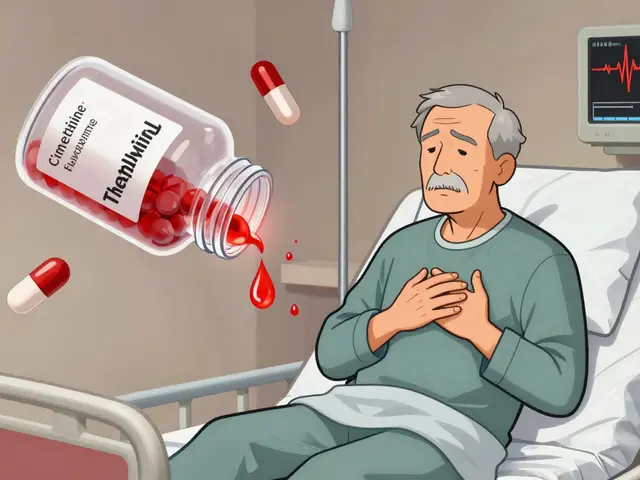
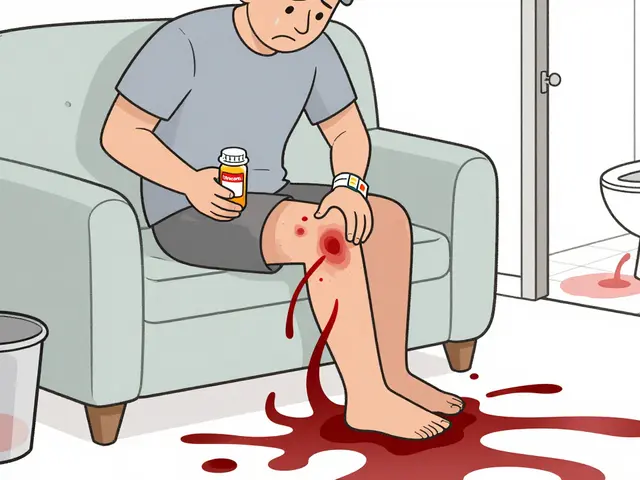
When you take a new medication, you might worry about drowsiness or nausea—but genitourinary side effects, damage or disruption to the kidneys, bladder, urethra, or reproductive organs caused by drugs. Also known as urinary or renal drug reactions, these issues often go unnoticed until they become serious. They don’t always show up as obvious symptoms. Sometimes it’s just a change in how often you pee, or a dull ache in your lower back. Other times, it’s constipation so bad it feels like your whole digestive system has shut down—because it might have.
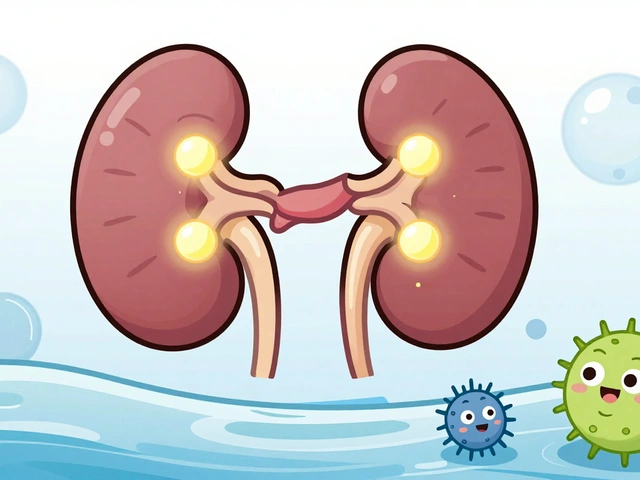
Kidney side effects, reduced function or damage to the kidneys from drug exposure can happen with painkillers, antibiotics, or even supplements like creatine. Bladder dysfunction, inability to empty or control the bladder due to medication shows up after surgery, with anticholinergics, or even some antidepressants. And opioid-induced bowel dysfunction, a common side effect where opioids slow gut movement, leading to constipation and ileus isn’t just uncomfortable—it can delay recovery after surgery. These aren’t rare. They’re built into how these drugs work.
Why does this matter? Because you might stop your meds thinking the problem is something else. You quit your statin because of muscle pain, but you haven’t noticed your urine output dropped. You take an antihistamine for allergies and feel fine—until you can’t pee. These effects aren’t always listed upfront. They hide in small print, or worse, in the gaps between specialties. A cardiologist watches your heart. A urologist checks your kidneys. But who connects the dots between the pill you take and the way your body responds?
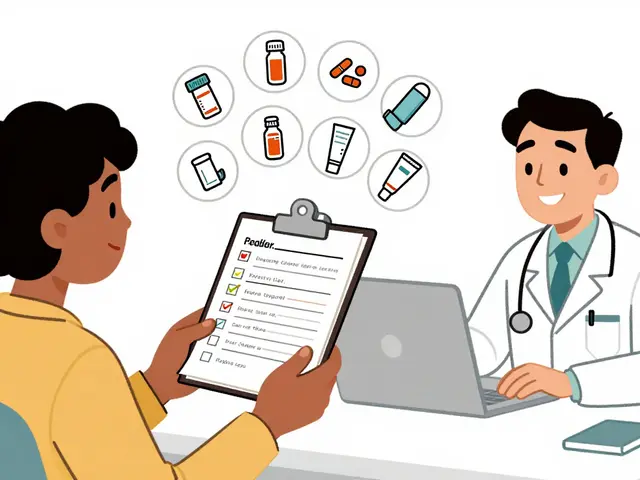
The posts below don’t just list problems—they show you how to spot them early, what to ask your pharmacist, and how to keep taking what you need without risking your kidneys, bladder, or bowel. You’ll find real stories about people who thought their symptoms were normal—until they weren’t. You’ll learn how to monitor your labs, what questions to bring to your next appointment, and which meds are safest if you already have kidney issues. This isn’t about fear. It’s about control. You deserve to know what your meds are doing inside you—not just what they’re supposed to do.
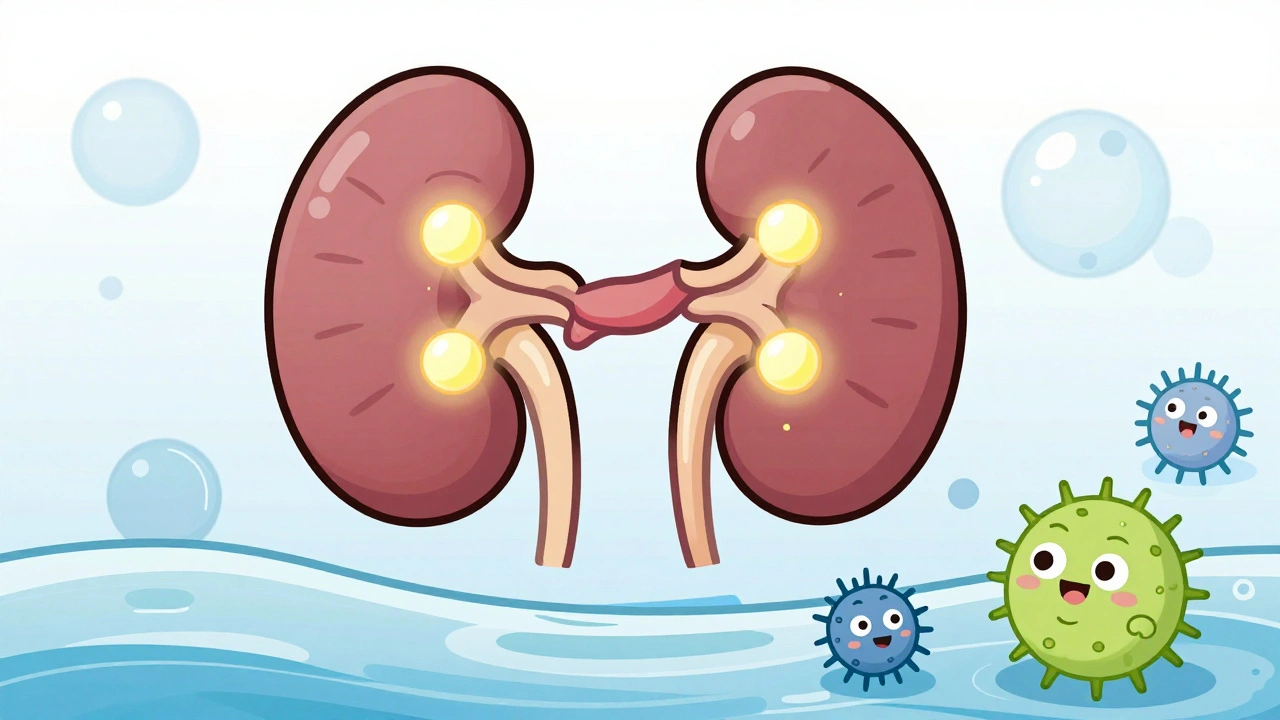
SGLT2 inhibitors help lower blood sugar in type 2 diabetes but increase the risk of yeast and urinary tract infections. Learn who’s most at risk, what symptoms to watch for, and how to stay safe while using these powerful medications.