Gut-Brain Axis: How Your Digestive System Shapes Your Mood and Health
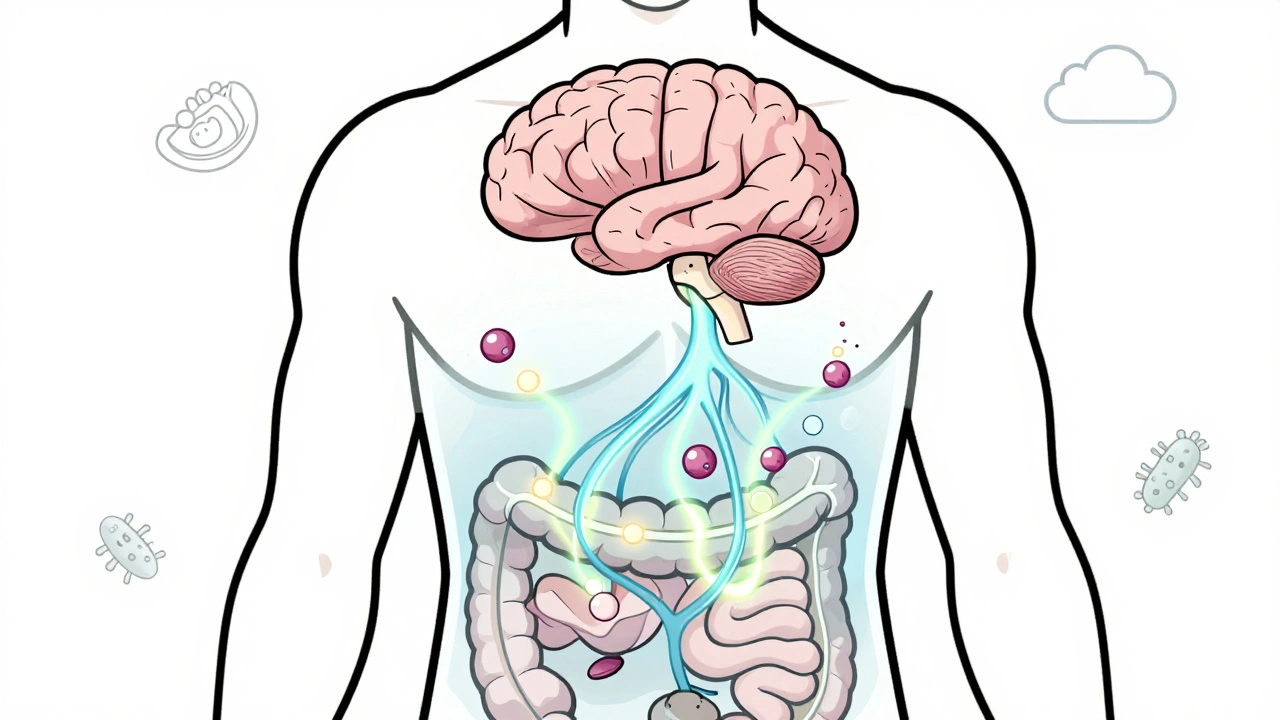
When you feel butterflies before a big meeting or get a stomachache when you’re stressed, you’re not imagining it—you’re experiencing the gut-brain axis, the two-way communication system between your digestive tract and your central nervous system. Also known as the enteric nervous system, it’s not just about digestion. This network talks to your brain using nerves, hormones, and immune signals—and it’s shaping how you feel, think, and even respond to pain.
The microbiome, the trillions of bacteria living in your intestines are key players here. They don’t just break down food—they make serotonin, regulate inflammation, and send signals straight to your brain through the vagus nerve, the main highway linking your gut and brain. Studies show people with chronic pain, depression, or even Parkinson’s often have imbalances in these gut bugs. And it works the other way too: stress can shut down digestion, cause bloating, or trigger flare-ups in conditions like IBS. That’s why managing your gut isn’t just about fiber and probiotics—it’s about protecting your mental health too.
This connection explains why opioids can cause constipation, why statins sometimes lead to digestive upset, and why antidepressants can help with IBS. It’s also why treatments for rheumatoid arthritis or chronic pain often include diet changes alongside meds. The intestinal health, the state of your gut lining and microbial balance affects everything from drug absorption to immune responses. Even your sleep, your mood swings, and how you handle stress can be tied to what’s happening in your intestines.
You’ll find real-world examples here: how postoperative ileus ties to opioid effects on gut motility, why antihistamines might help with brain fog, how CYP450 enzyme changes from grapefruit affect gut metabolism, and what happens when your gut bacteria can’t process your meds properly. These aren’t random topics—they’re all linked by the same system. Whether you’re dealing with chronic pain, anxiety, or just weird digestive issues, understanding the gut-brain axis gives you real power to take control.
Irritable Bowel Syndrome is not just a digestive issue-it's a breakdown in gut-brain communication. Learn how serotonin, gut bacteria, and brain wiring affect symptoms-and what treatments actually work.