Lipoprotein(a): What It Is, Why It Matters, and How It Affects Your Heart
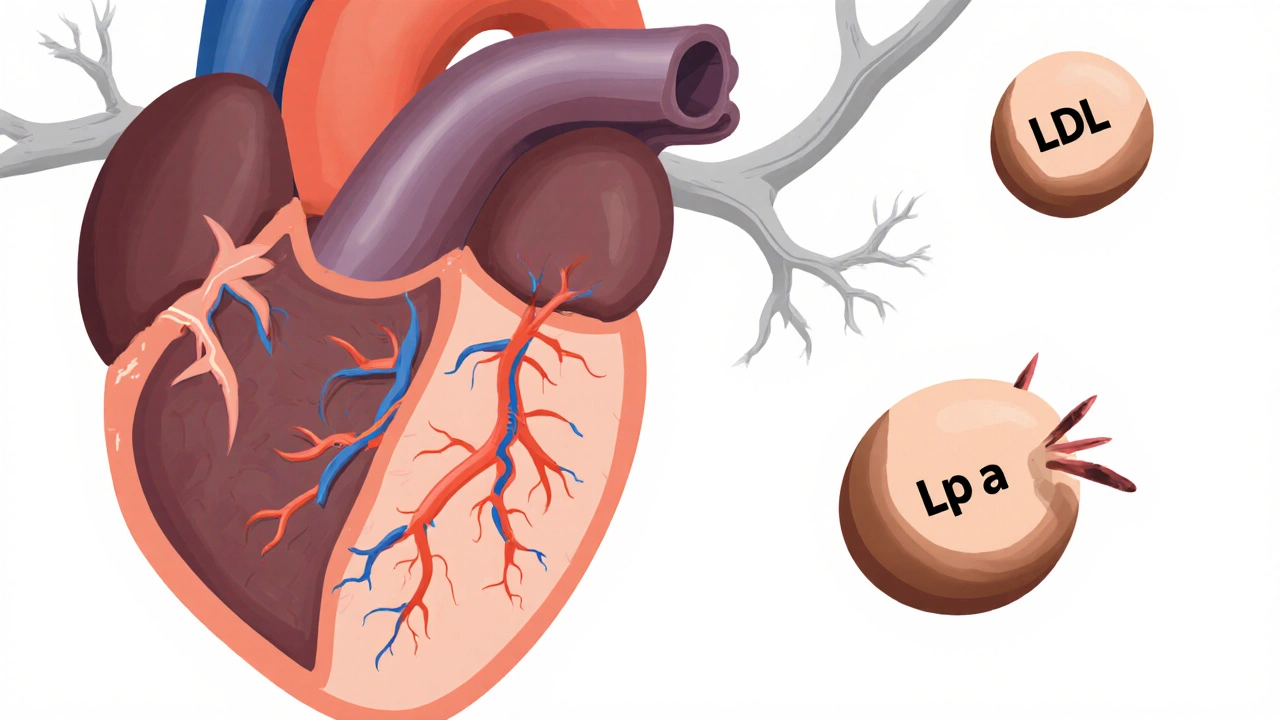
When it comes to heart health, most people focus on LDL and HDL cholesterol. But there’s another player hiding in the background called lipoprotein(a), a type of LDL cholesterol particle with an added protein that makes it stickier and more dangerous. Also known as Lp(a), it’s not affected by diet or exercise—and it’s genetically determined. If your body makes high levels of it, you’re at increased risk for heart attacks, strokes, and clogged arteries—even if your other cholesterol numbers look fine.
Unlike regular LDL, which you can lower with statins or lifestyle changes, lipoprotein(a) stays stubbornly high for most people. It’s not routinely tested, which means many don’t know they carry this silent threat. Studies show that people with Lp(a) levels above 50 mg/dL have up to a 3x higher risk of cardiovascular events. And here’s the kicker: it runs in families. If a close relative had a heart attack before age 55, testing for Lp(a) could be life-saving.
It’s not just about cholesterol levels—it’s about inflammation and plaque buildup. Lp(a) sticks to artery walls, promotes clotting, and triggers inflammation in ways regular cholesterol doesn’t. That’s why some people with perfect blood pressure and healthy weights still end up with blocked arteries. The science is clear: Lp(a) is an independent risk factor, and ignoring it is like ignoring a smoke alarm that’s been chirping for years.
There’s no magic pill yet to lower Lp(a), but new drugs are in late-stage trials. Right now, the best move is knowing your number. If you’ve had early heart disease, a family history of sudden cardiac events, or high LDL that won’t budge, ask your doctor for an Lp(a) test. It’s a simple blood draw. And if your levels are high, you can start managing other risks harder—controlling blood pressure, quitting smoking, keeping diabetes in check. Every small step matters when your genetics are working against you.
The posts below dive into the real-world impact of high Lp(a) and how it connects to medications, testing, and heart health strategies. You’ll find guides on how to talk to your doctor about it, what lab numbers mean, and how it overlaps with other conditions like high cholesterol and stroke risk. No fluff. Just clear, practical info that helps you take control before it’s too late.
Lipoprotein(a) is a genetic cholesterol risk that doubles your chance of heart attack or stroke - even if your other numbers are normal. Learn who should be tested and what you can do now.