OTC Diarrhea Treatments: When to Use and When to See a Doctor
Learn when to use OTC diarrhea treatments like Imodium and Pepto-Bismol - and when to skip them and see a doctor. Get clear guidance on safe dosing, red flags, and hydration.

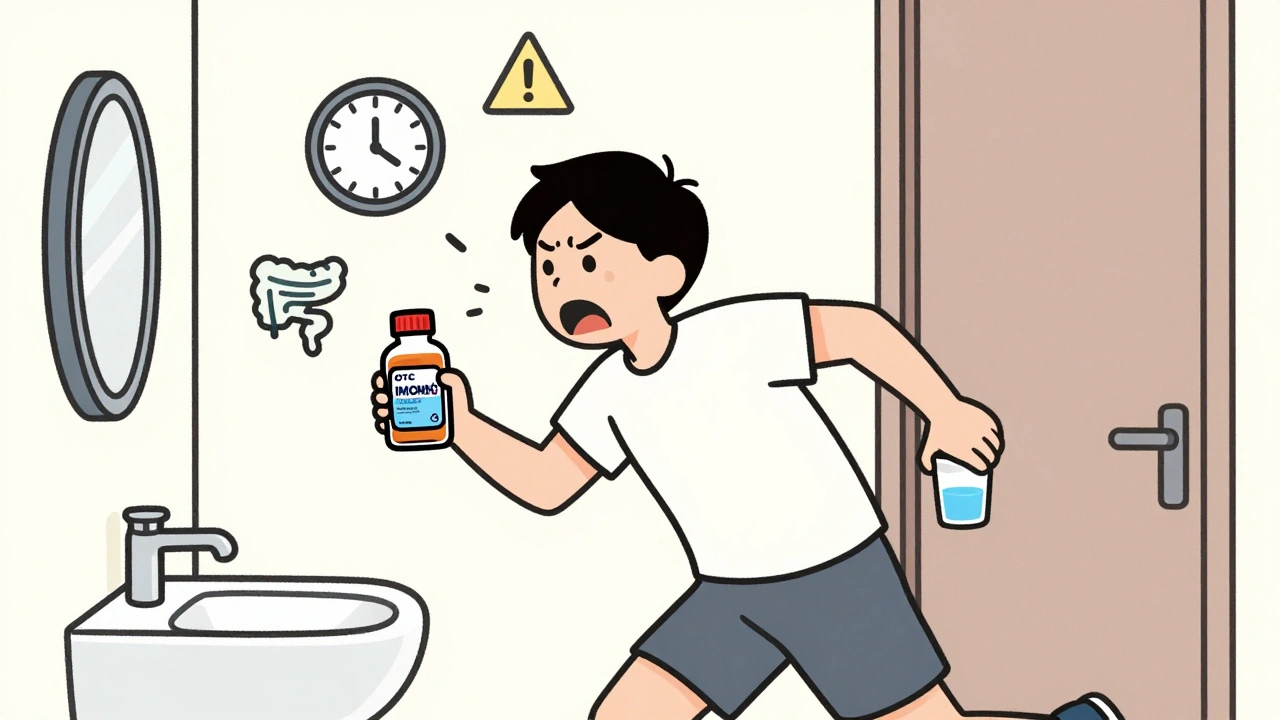
When diarrhea hits, you don’t need a prescription to feel better—OTC diarrhea treatment, over-the-counter medications and remedies used to manage acute diarrhea without a doctor’s note. Also known as non-prescription diarrhea relief, it’s the first line of defense for millions dealing with sudden stomach upset. But not all OTC options are created equal. Some give real relief. Others just mask symptoms—or make things worse.
The two most common loperamide, a fast-acting anti-diarrheal that slows gut movement and bismuth subsalicylate, the active ingredient in Pepto-Bismol that reduces inflammation and kills certain bacteria are backed by decades of use. Loperamide works by calming your intestines, letting stool solidify. Bismuth subsalicylate does more: it reduces fluid secretion, fights microbes, and soothes irritation. Both are safe for short-term use in healthy adults—but they’re not for everyone. If you have a fever, bloody stool, or diarrhea after antibiotics, these can hide a serious infection.
Here’s the thing most people miss: rehydration, the process of replacing lost fluids and electrolytes to prevent dehydration matters more than any pill. Diarrhea doesn’t just lose water—it strips away sodium, potassium, and chloride. Drinking plain water won’t cut it. You need electrolytes. Simple solutions like oral rehydration salts (available OTC), diluted sports drinks, or even homemade mixes (water + pinch of salt + spoon of sugar) work better than most fancy supplements. Skip the sugary sodas and juice. They make diarrhea worse by pulling more water into your gut.
And don’t fall for the myth that stopping diarrhea fast is always better. Sometimes your body is flushing out a virus or bad food. Rushing to seal it in can prolong illness. That’s why guidelines say: use OTC diarrhea treatment only if symptoms are mild and you’re not at risk for complications. For kids, elderly, or anyone with chronic illness, talk to a pharmacist before using anything.
What you avoid matters as much as what you take. Antidiarrheal drugs with diphenhydramine? Skip them. They’re meant for allergies, not guts—and they’ll leave you drowsy and confused. Antibiotics sold without a prescription? Never. They don’t help viral diarrhea and can trigger deadly complications like C. diff. And don’t rely on probiotics alone. While some strains may shorten duration slightly, they’re not a treatment. They’re a support tool.
Real recovery starts with understanding your body’s signals. If diarrhea lasts more than two days, if you’re dizzy, if your urine is dark or you haven’t peed in 8 hours—you’re heading toward electrolyte imbalance, a dangerous shift in blood minerals that can affect heart rhythm and muscle function. That’s when you need a doctor, not another pill.
Below, you’ll find real-world insights from people who’ve been there: what worked, what didn’t, and the hidden risks of common OTC choices. No fluff. No marketing. Just what the science and experience show—so you can choose wisely next time your stomach turns against you.
Learn when to use OTC diarrhea treatments like Imodium and Pepto-Bismol - and when to skip them and see a doctor. Get clear guidance on safe dosing, red flags, and hydration.