POI Prevention: How to Avoid Postoperative Infections and Stay Safe After Surgery
When you or a loved one undergoes surgery, the goal isn’t just to fix the problem—it’s to walk out healthy. That’s where POI prevention, the practice of stopping postoperative infections before they take hold. Also known as postoperative infection control, it’s the quiet but critical work that keeps hospitals safe and patients out of the ICU. These infections don’t just delay recovery—they can turn a routine procedure into a life-threatening event. The CDC estimates that nearly 1 in 31 hospital patients gets at least one infection related to their care, and surgical sites are among the most common.
Not all infections are the same. Surgical site infections, infections that develop at the incision or deep inside the body after surgery can be caused by bacteria like Staphylococcus aureus or E. coli entering through the wound. Antibiotic prophylaxis, giving antibiotics before surgery to kill germs before they settle is one of the most effective tools, but timing and choice matter. Giving them too early or too late cuts their power. And not every patient needs them—doctors weigh risks like allergies, kidney function, and the type of surgery. Meanwhile, infection control, the full set of practices hospitals use to stop germs from spreading includes everything from sterilizing tools and scrubbing hands to keeping operating rooms at the right temperature and humidity. These aren’t just hospital rules—they’re science-backed barriers between you and danger.
What you see in the posts below isn’t just theory. You’ll find real guidance on how to reduce your risk after surgery—whether it’s knowing when to call your doctor about redness or swelling, understanding why some antibiotics are chosen over others, or learning how to clean your wound properly at home. You’ll also see how conditions like diabetes or obesity raise your chances, and why some patients need longer or stronger protection than others. These aren’t generic tips. They’re drawn from real cases, clinical guidelines, and patient experiences that show what actually works—and what doesn’t. If you’re preparing for surgery, recovering from one, or caring for someone who is, this collection gives you the facts you need to ask the right questions and push for safer care.
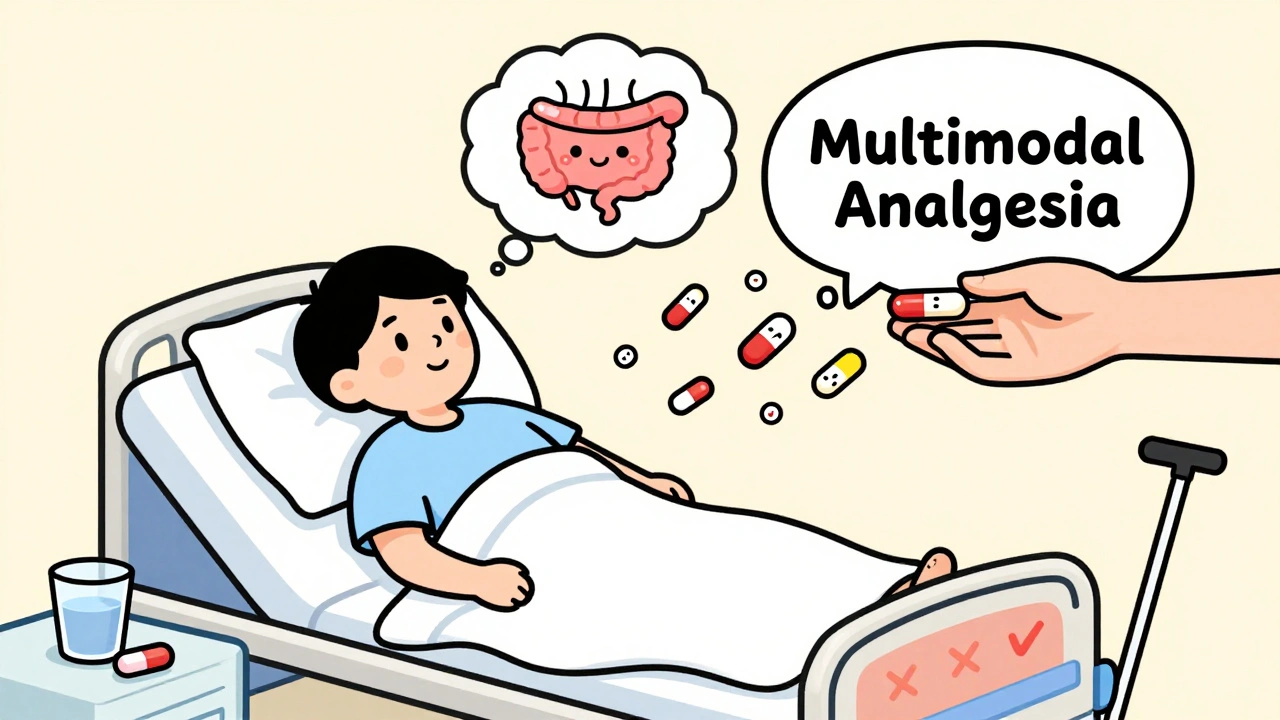
Postoperative ileus is a common, painful delay in bowel function after surgery-often caused by opioids. Learn how multimodal pain control, early movement, and targeted drugs can prevent it and speed recovery.