Sterile Injectables: What They Are, Why They Matter, and How They're Used
When you need medicine to work fast and exactly where it’s needed, sterile injectables, medications prepared without any living microbes and meant for direct delivery into the bloodstream or tissues. Also known as parenteral medications, they bypass the digestive system and hit the target almost instantly. This isn’t just convenience—it’s often the only way to save a life. Think of an IV antibiotic for a severe infection, an insulin shot for a diabetic in crisis, or a vaccine given in a clinic. These aren’t pills you swallow. They’re precision tools, and getting them wrong can be dangerous.
Sterile injectables demand more than just a needle. They require aseptic technique, a strict set of practices to prevent contamination during preparation and administration. Even a tiny bit of bacteria or fungus can turn a life-saving dose into a deadly one. Hospitals, pharmacies, and even home care providers follow detailed protocols—clean rooms, sterile gloves, alcohol swabs, single-use vials—to make sure nothing slips in. It’s not guesswork. It’s science enforced by rules written in blood.
Not all injectables are the same. Some are meant for veins (IV therapy, direct delivery into the bloodstream for rapid effect), others go under the skin (subcutaneous), into muscle (intramuscular), or even into the spine. Each route changes how fast the drug works, how long it lasts, and what side effects you might see. A painkiller shot in your arm won’t behave like the same drug given through an IV drip. And if you’re using them at home—like insulin or autoimmune biologics—you need to know how to store them, how to tell if they’re spoiled, and when to call for help.
The rise of complex biologics, like monoclonal antibodies for cancer or autoimmune diseases, has made sterile injectables even more critical. These drugs can’t be taken as pills—they’re too fragile. So they come in vials or pens, and every drop must be pure. That’s why pharmacists, nurses, and patients alike are learning more about handling, diluting, and administering them safely. It’s not just about the drug. It’s about the whole system around it.
What you’ll find here are real, practical guides on how sterile injectables are used in real life—from the ER to the kitchen table. You’ll see how to spot problems before they happen, understand why certain drugs require special care, and learn what to ask your doctor or pharmacist when something doesn’t feel right. No fluff. No jargon. Just what you need to stay safe and informed when your health depends on a needle and a vial.
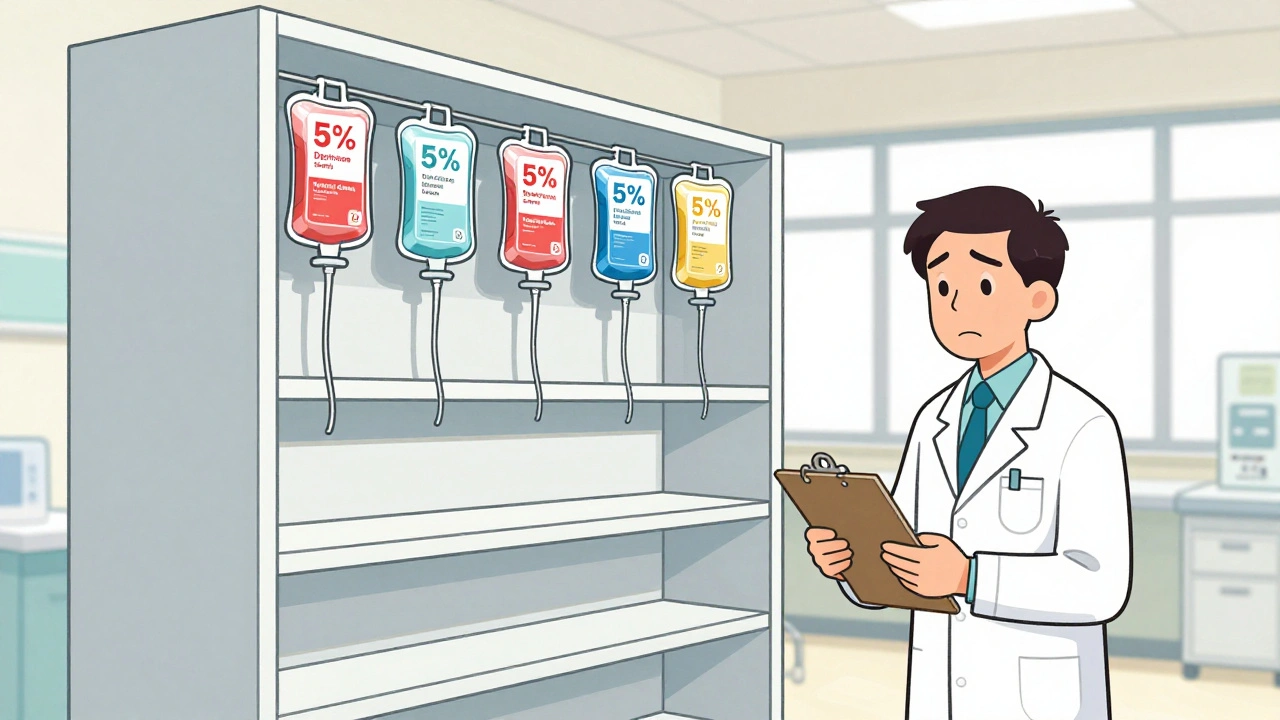
As of 2025, over 270 medications remain in short supply in the U.S., including critical chemotherapy drugs, IV fluids, and antibiotics. Learn which drugs are hardest to find, why shortages persist, and how patients and providers are coping.