Fixed-Dose Combination: What It Is and Why It Matters in Modern Medicine
When you take fixed-dose combination, a single pill that contains two or more active medications already approved for separate use. Also known as combination drugs, it’s designed to make treatment simpler—especially when multiple drugs are needed daily. Instead of swallowing five pills for high blood pressure, diabetes, and cholesterol, you might take just one. This isn’t just convenient—it’s backed by real data showing better adherence and fewer missed doses.
Fixed-dose combinations are common in treating chronic conditions where timing and consistency matter. For example, many people with hypertension, a condition requiring multiple blood pressure-lowering agents use combinations like amlodipine and lisinopril in one tablet. Same goes for HIV treatment, where three antivirals are often packed into a single daily pill to suppress the virus and prevent resistance. Even in type 2 diabetes, medications like metformin and sitagliptin are combined to target different pathways at once. The goal? Reduce pill burden—the number of pills you take each day—which is one of the top reasons people stop taking their meds.
But it’s not just about fewer pills. Fixed-dose combinations also help reduce the risk of drug interactions, when separate pills taken at different times might interfere with each other’s absorption or metabolism. By locking the doses together, manufacturers ensure consistent timing and ratios, which can improve safety. Pharmacists often recommend them for older adults or anyone managing multiple conditions. Still, they’re not for everyone. If you need to adjust one drug’s dose independently—say, if you develop kidney issues—you might need separate pills instead.
What you’ll find below are real-world examples of how fixed-dose combinations are used, what risks to watch for, and how they fit into broader treatment strategies—from diabetes and heart disease to mental health and infection control. These aren’t theoretical guides. They’re based on actual patient experiences, clinical data, and pharmacy practice. Whether you’re a patient trying to simplify your routine or a caregiver helping someone manage complex meds, this collection gives you the facts you need to make smarter choices.
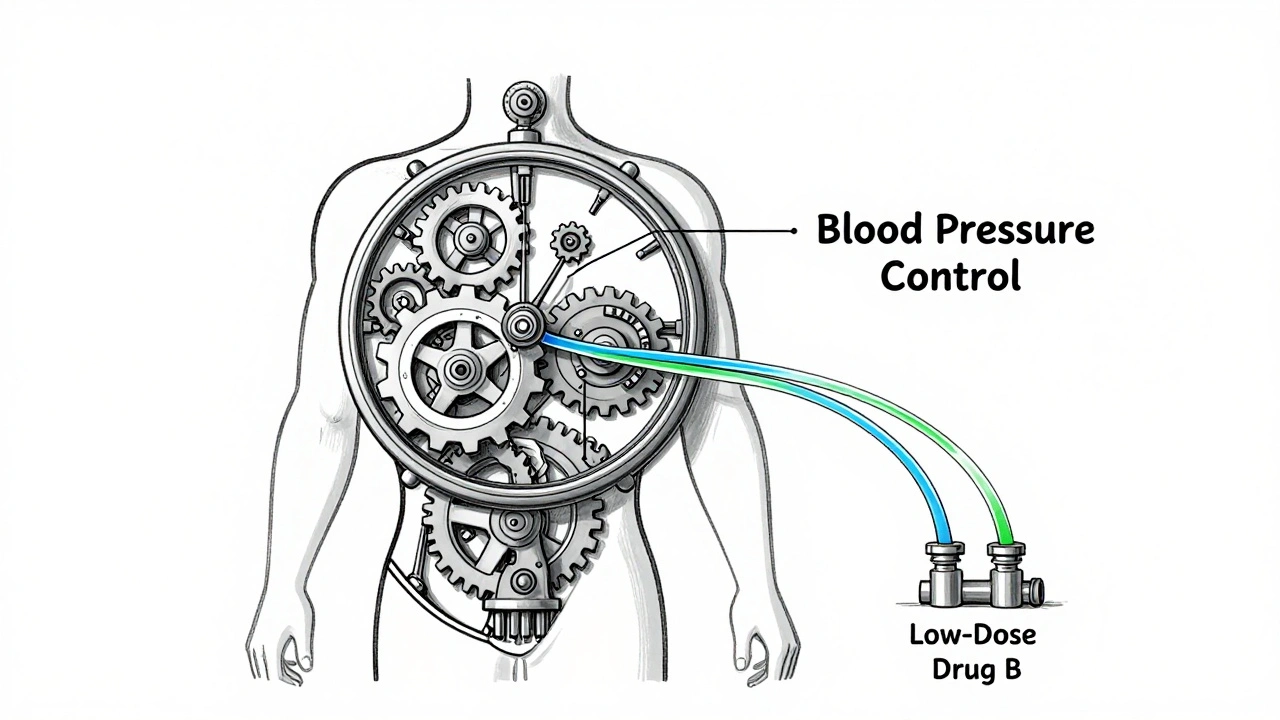
Combination therapy uses lower doses of multiple medications to improve effectiveness and reduce side effects. Proven in hypertension, diabetes, and cancer, it offers better control with fewer adverse reactions and improved patient adherence.