Yeast Infections: Causes, Treatments, and What Really Works
When you hear yeast infections, a type of fungal overgrowth, usually caused by Candida species, that affects moist areas of the body. Also known as candidiasis, it can show up as a rash, itching, or white discharge—common in the vagina, mouth, or skin folds. It’s not a sign of poor hygiene. In fact, up to 75% of women will get at least one in their lifetime, and men and kids get them too. What most people don’t realize is that yeast infections aren’t contagious like a cold—they happen when your body’s natural balance gets thrown off.
Something as simple as antibiotics can trigger one. Antibiotics kill bad bacteria, but they also wipe out the good ones that keep yeast in check. Birth control pills, pregnancy, diabetes, and even tight clothing can tip the scales. And while sugar gets blamed a lot, it’s not the direct cause—it’s more about how high blood sugar feeds yeast growth in people with uncontrolled diabetes. Candida, a type of fungus naturally present in small amounts in the gut, mouth, and skin becomes a problem when it multiplies unchecked. Antifungal treatment, medications designed to kill or slow down fungal growth works by targeting the yeast’s cell wall or membrane. Over-the-counter creams, suppositories, and oral pills like fluconazole are effective for most cases—but only if you actually have a yeast infection. Misdiagnosing it as something else (like bacterial vaginosis or an STI) is common, and that’s when treatments fail.
Oral thrush, another form of yeast infection, shows up as white patches in the mouth, especially in babies, older adults, or people on inhalers. It’s not just annoying—it can make eating painful. And while some swear by yogurt or garlic, science doesn’t back them as reliable cures. What does work? Proper diagnosis, the right antifungal, and fixing the root cause. If you keep getting them, it’s not bad luck—it’s a signal your body’s ecosystem needs help.
Below, you’ll find real, practical advice from trusted medical sources on how to treat yeast infections correctly, avoid repeat flare-ups, and spot when something more serious is going on. No guesswork. No myths. Just what works.
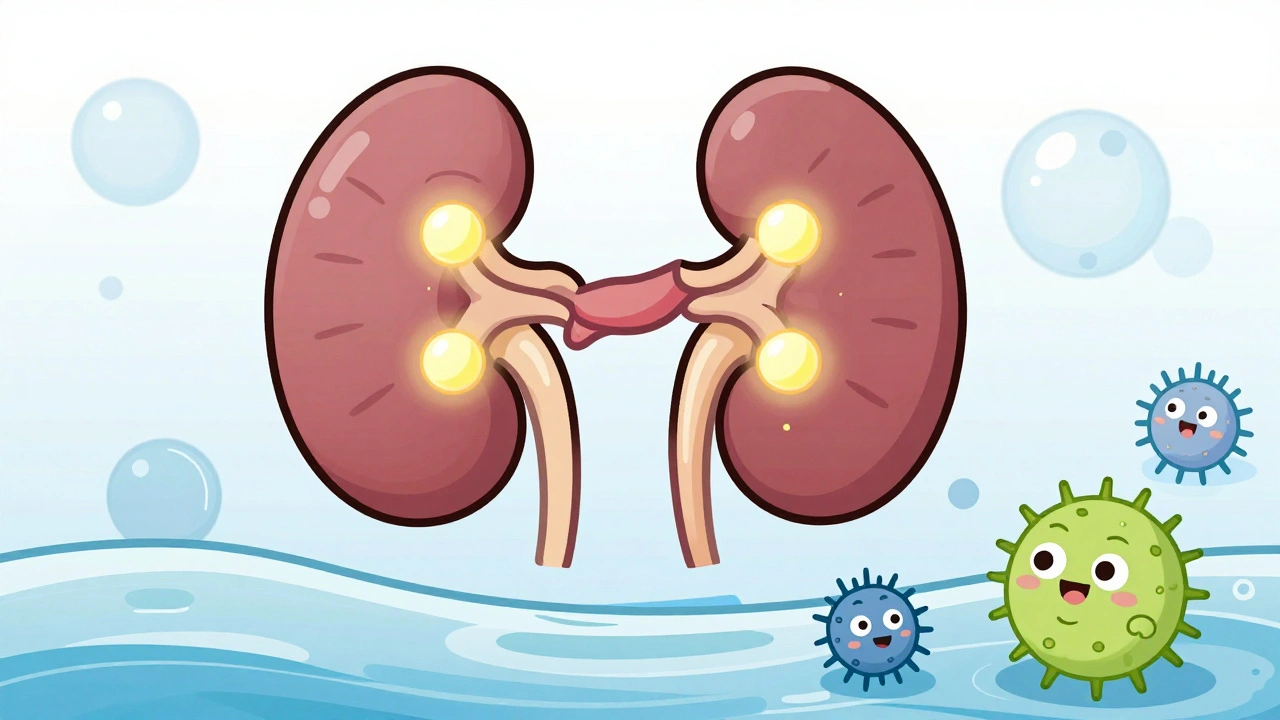
SGLT2 inhibitors help lower blood sugar in type 2 diabetes but increase the risk of yeast and urinary tract infections. Learn who’s most at risk, what symptoms to watch for, and how to stay safe while using these powerful medications.