Generic Drugs: What They Are, How They Work, and Where to Buy Them Safely
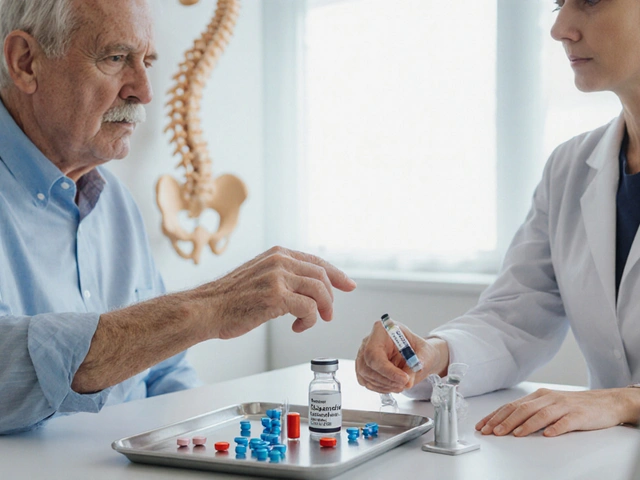
When you hear generic drugs, identical versions of brand-name medications approved by the FDA after the original patent expires. Also known as non-branded drugs, they work the same way, contain the same active ingredients, and meet the same safety standards as their brand-name counterparts—but cost up to 80% less. Many people assume generics are "weaker" or "inferior," but that’s not true. The FDA, the U.S. agency responsible for ensuring drug safety and effectiveness requires every generic to prove it delivers the same amount of active ingredient into the bloodstream at the same rate as the brand-name version. This is called bioequivalence, the scientific standard that proves a generic performs the same way in the body as the original drug. Without this proof, a drug can’t be sold as a generic.
Not all drugs have generics—and not all generics are created equal in terms of availability. Some brand-name drugs, especially complex biologics, don’t have true generics at all; instead, they have biosimilars, highly similar but not identical versions of biologic drugs that require extra testing to approve. But for most common pills—like metformin for diabetes, amlodipine for high blood pressure, or sertraline for depression—generics are the standard. They’re used by millions every day. The key difference? The inactive ingredients, like fillers or dyes, might vary. That’s why some people notice slight differences in how a generic feels, even though the active part is identical. If you’ve switched from a brand to a generic and felt off, talk to your pharmacist. It’s not always the drug—it might be the coating, size, or how your body reacts to a different filler.
Buying generic drugs online can save serious money, but it also comes with risks. Scam sites sell fake or contaminated pills that look real. The FDA approval, the official process that verifies a drug meets quality, safety, and effectiveness standards only applies to U.S.-licensed pharmacies. If a website doesn’t require a prescription, offers prices that seem too good to be true, or ships from overseas without clear labeling, it’s likely unsafe. Always check for VIPPS certification or ask your pharmacist for trusted sources. You don’t need to pay more for the same medicine—just make sure you’re getting the real thing.
From statins to antihistamines, the posts below cover real-world questions about switching to generics, understanding bioequivalence tests like partial AUC, avoiding dangerous interactions, and spotting safe online pharmacies. Whether you’re trying to cut costs, manage side effects, or just want to know if your generic is truly the same as the brand, you’ll find clear, no-fluff answers here.
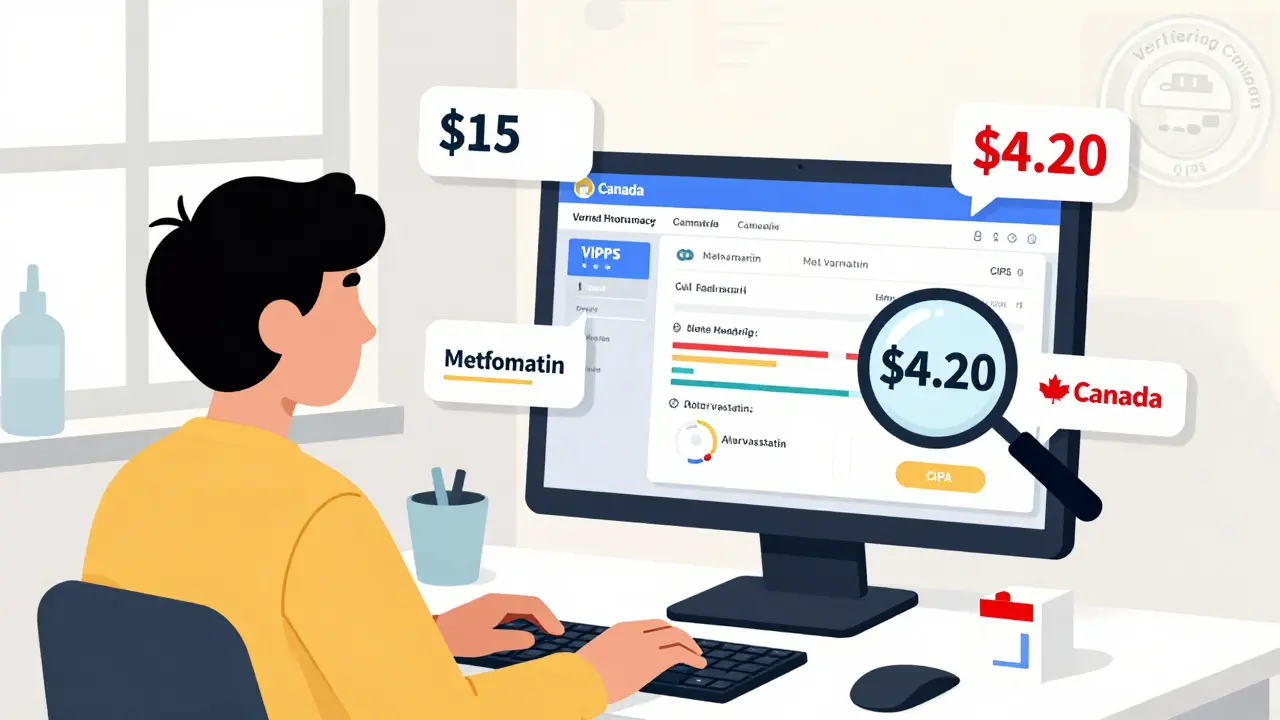
Learn how to find the cheapest generic medications online using comparison shopping engines. Save up to 80% on prescriptions by comparing verified pharmacies and avoiding scams.
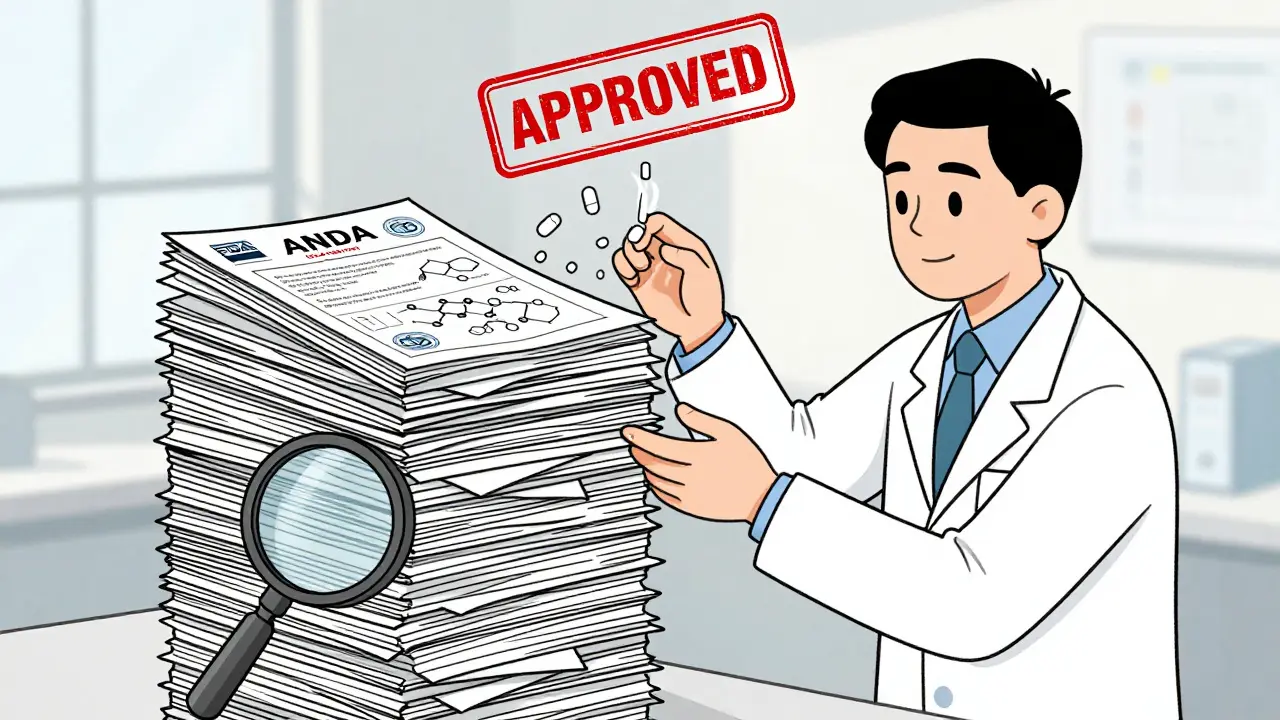
Discover how generic drugs go from FDA approval via ANDA to your pharmacy shelf - the science, regulation, and business steps that make affordable medication possible.
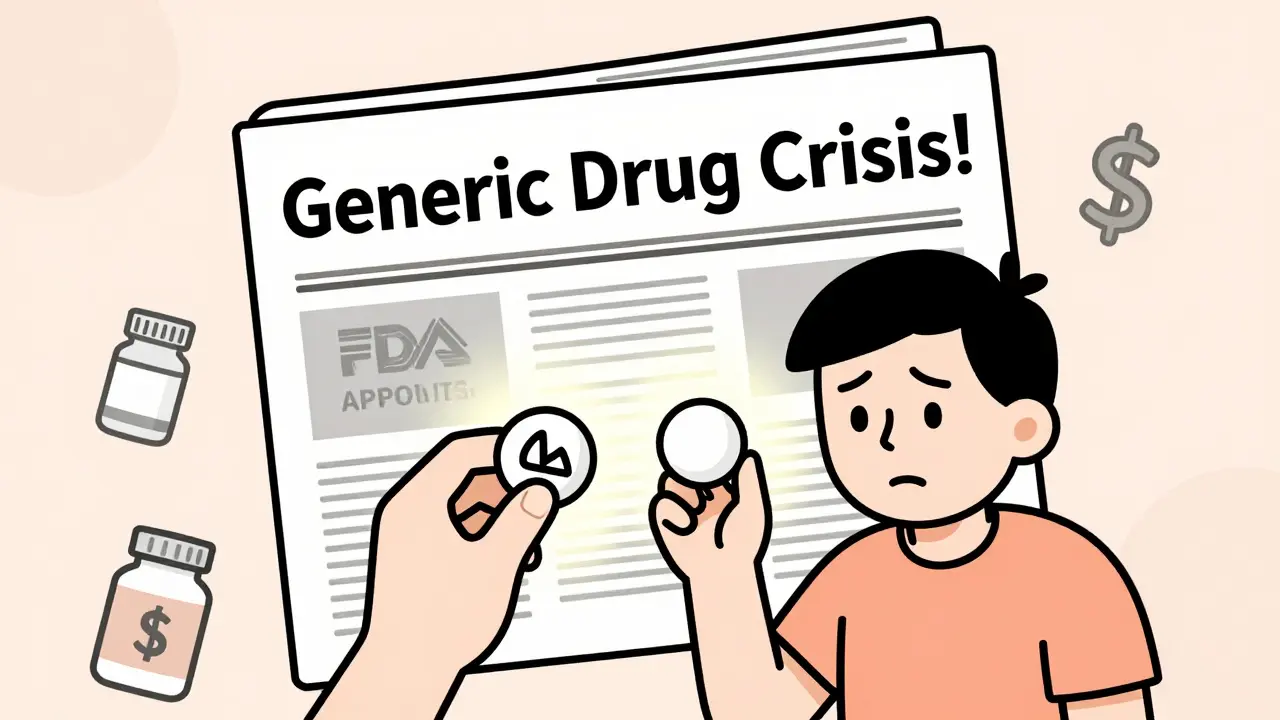
Despite being equally safe and effective, generic drugs face widespread mistrust fueled by misleading media coverage. Learn how news stories shape public perception-and what you can do to make informed choices.
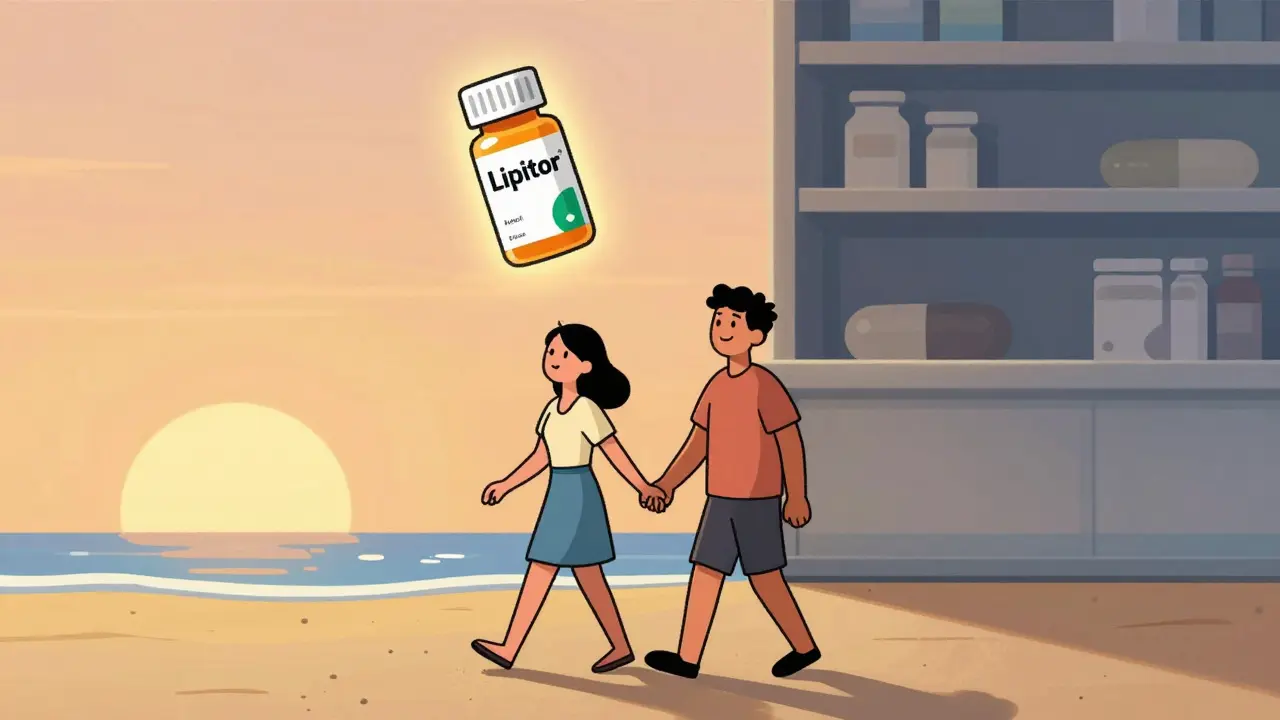
Pharmaceutical advertising in the U.S. heavily promotes branded drugs, shaping patient beliefs that generics are inferior - even though they’re chemically identical. This marketing distorts treatment choices and drives up costs.
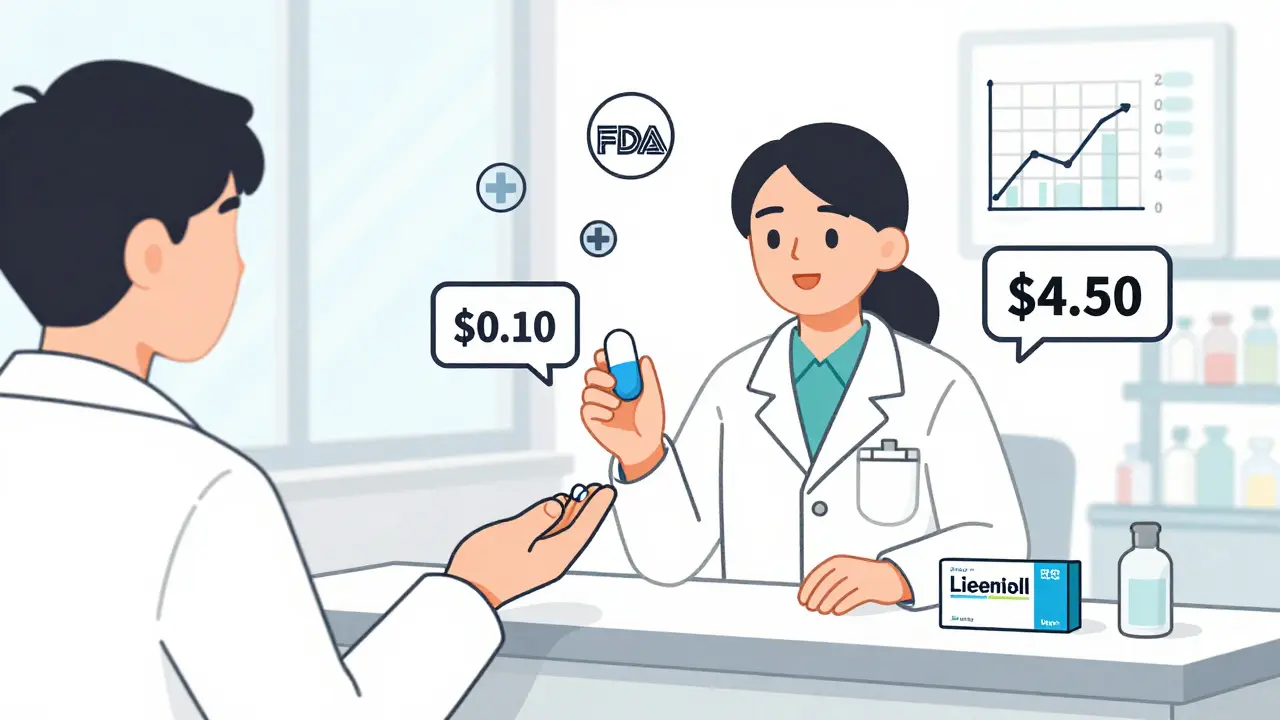
Learn how to choose between generic and brand-name medications with clear facts about safety, cost, and when to stick with the brand. Generics save billions and work just as well - here's what you really need to know.
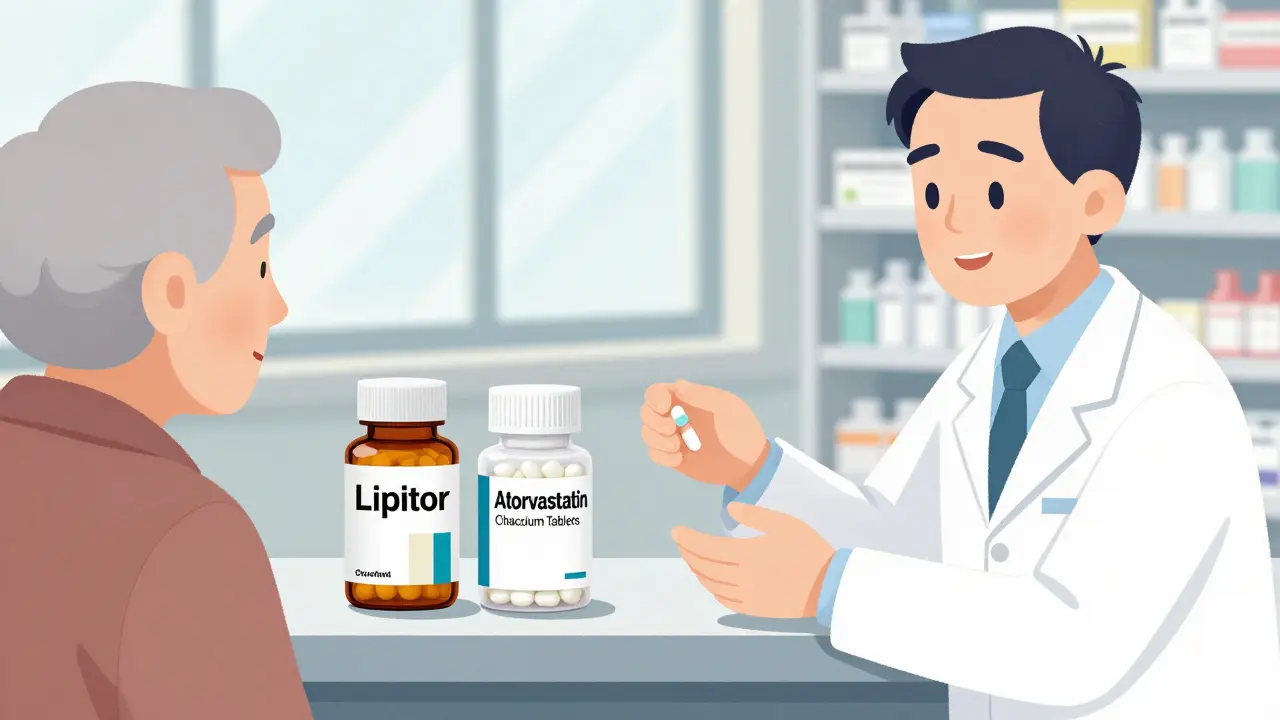
Pharmacists should recommend authorized generics for patients with allergies, narrow therapeutic index drugs, or those sensitive to inactive ingredients. These are identical to brand-name drugs but cost 20-80% less.
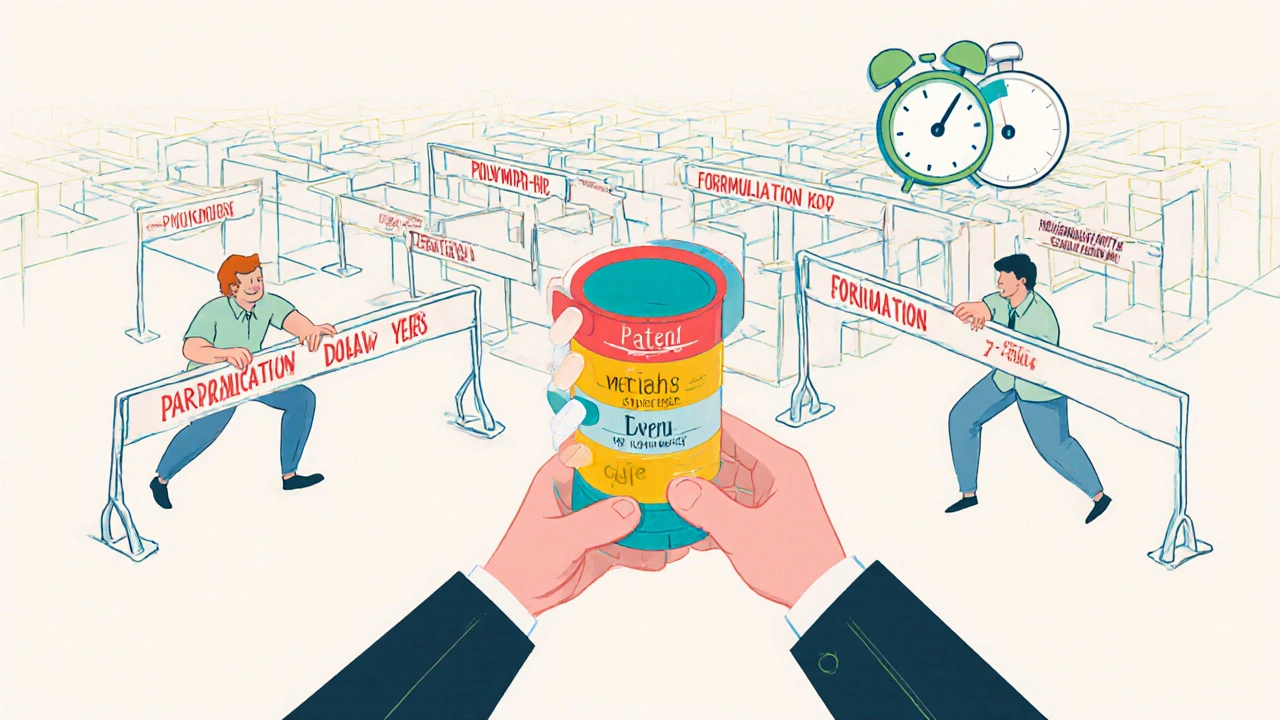
Secondary patents let pharmaceutical companies extend market exclusivity by patenting minor changes to existing drugs, delaying generic competition and keeping prices high. Learn how these patents work, who benefits, and why they’re under growing scrutiny.