Pharmaceutical Insights for November 2025: Drug Interactions, Patents, and Safe Medication Use
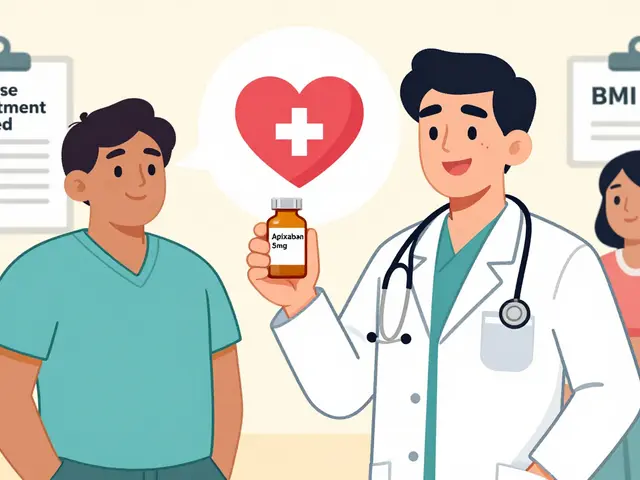
When it comes to pharmaceuticals, medications used to treat, prevent, or diagnose diseases. Also known as drugs, they’re only as good as how well you understand their risks, interactions, and real-world use. November 2025 brought a sharp focus on what actually matters: not just what drugs do, but how your body handles them, who controls access to them, and how to avoid dangerous mistakes.
Drug interactions, when two or more medications affect each other’s behavior in your body came up again and again—whether it was calcium channel blockers slowed down by grapefruit, statins causing muscle pain because of metabolism issues, or stimulants triggering heart rhythm problems. These aren’t rare edge cases. They’re daily risks for millions. And the difference between safe use and hospitalization often comes down to knowing whether a problem is pharmacokinetic, how your body absorbs, breaks down, or clears a drug—like CYP3A4 enzyme interference—or pharmacodynamic, how drugs change your body’s response at the target site, like two blood pressure pills working too well together. Then there’s the system behind the drugs: secondary patents, legal tricks that let drugmakers delay generics by patenting tiny changes like new coatings or dosing schedules. These aren’t innovations—they’re market locks. And they keep prices high while patients wait for affordable options.
Meanwhile, access to treatment is shifting. Biosimilars, highly similar versions of complex biologic drugs are here, but they’re not generics. Pharmacists now play a bigger role—counseling patients, explaining why a biosimilar isn’t just a copy, and helping switch people safely. That’s new. And it’s critical. Same goes for medication safety, the practice of preventing errors in prescribing, dispensing, or taking drugs. Transferring prescriptions? Label accuracy? Replacing lost meds overseas? These aren’t footnotes. They’re life-or-death details that get ignored until something goes wrong.
What you’ll find below isn’t theory. It’s what real people needed to know this month: how to handle a stubborn cough without antibiotics, why your genetic cholesterol level might be ticking up your heart risk, what antihistamines are safe when you’re pregnant, and how to pick an OTC sleep aid that won’t wreck your brain in six months. From partial AUC testing in generic drug approvals to swimmer’s ear treatments backed by clinical data—this collection cuts through the noise. No fluff. Just what works, what doesn’t, and why it matters to you.
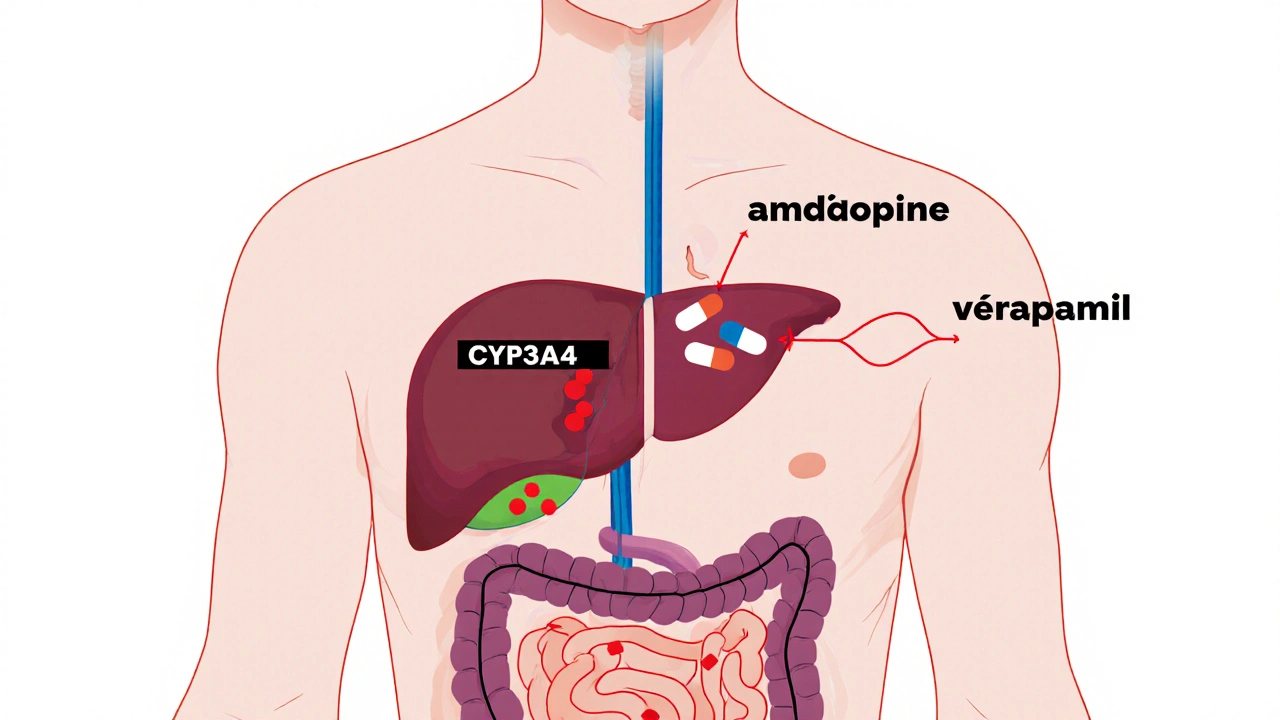
Calcium channel blockers are widely used for high blood pressure and heart conditions, but their safety depends heavily on how your body metabolizes them. Learn which ones are safest, which drugs and foods to avoid, and how to prevent dangerous interactions.
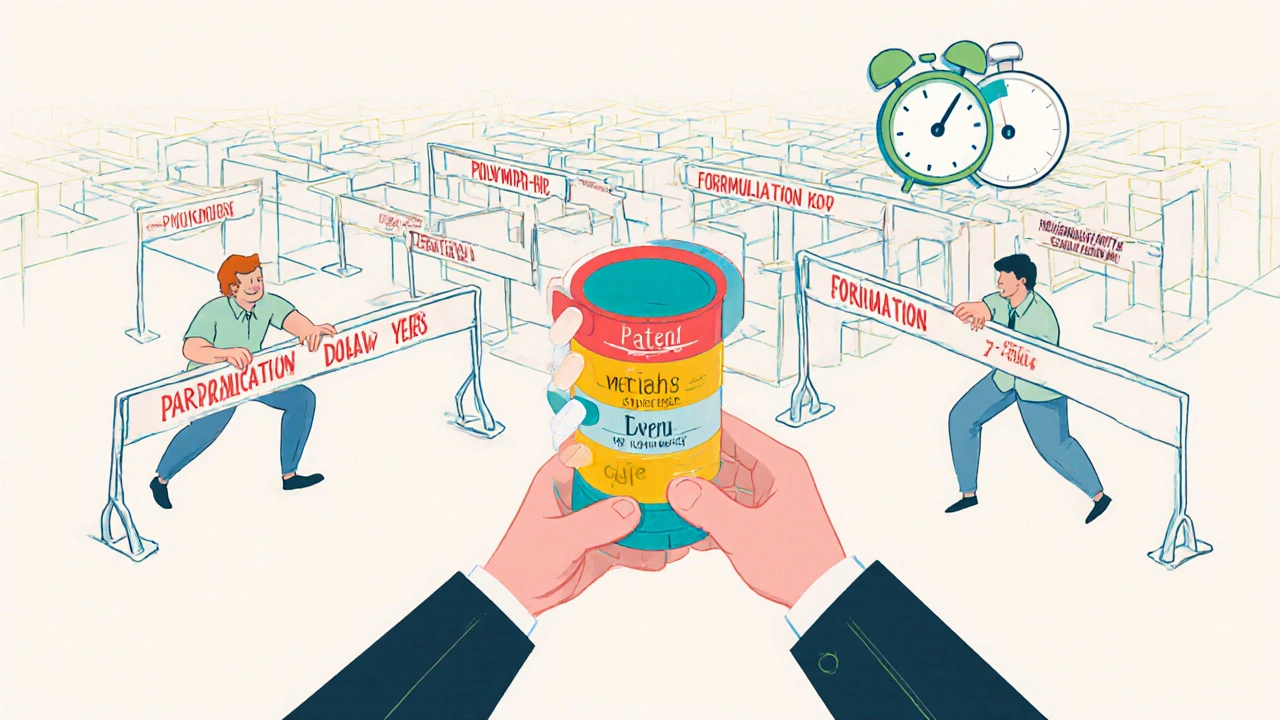
Secondary patents let pharmaceutical companies extend market exclusivity by patenting minor changes to existing drugs, delaying generic competition and keeping prices high. Learn how these patents work, who benefits, and why they’re under growing scrutiny.
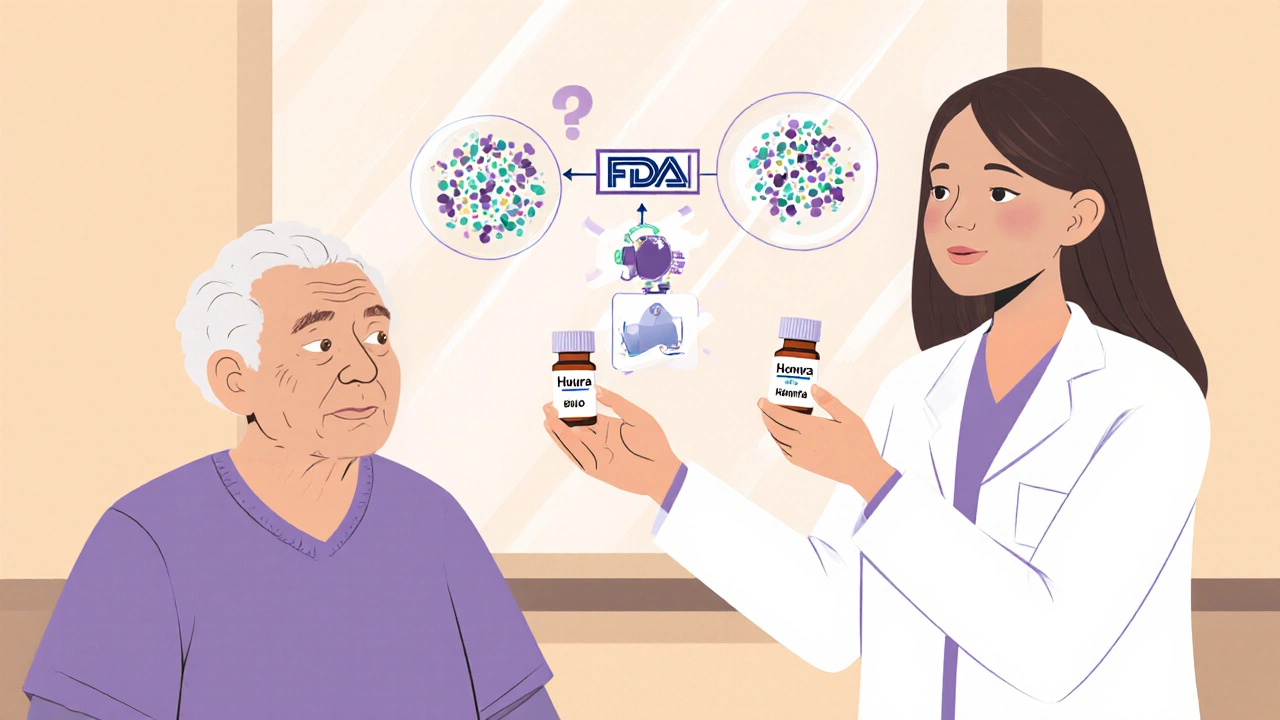
Pharmacists play a vital role in biosimilar adoption by counseling patients, ensuring safe substitution, and overcoming prescriber resistance. Unlike generics, biosimilars require specialized knowledge and careful communication to build trust and improve access to affordable biologic treatments.

DBT skills offer practical, evidence-based tools to manage intense emotions, reduce self-harm, and navigate crises for people with Borderline Personality Disorder. Learn how mindfulness, distress tolerance, emotion regulation, and interpersonal skills create real change.
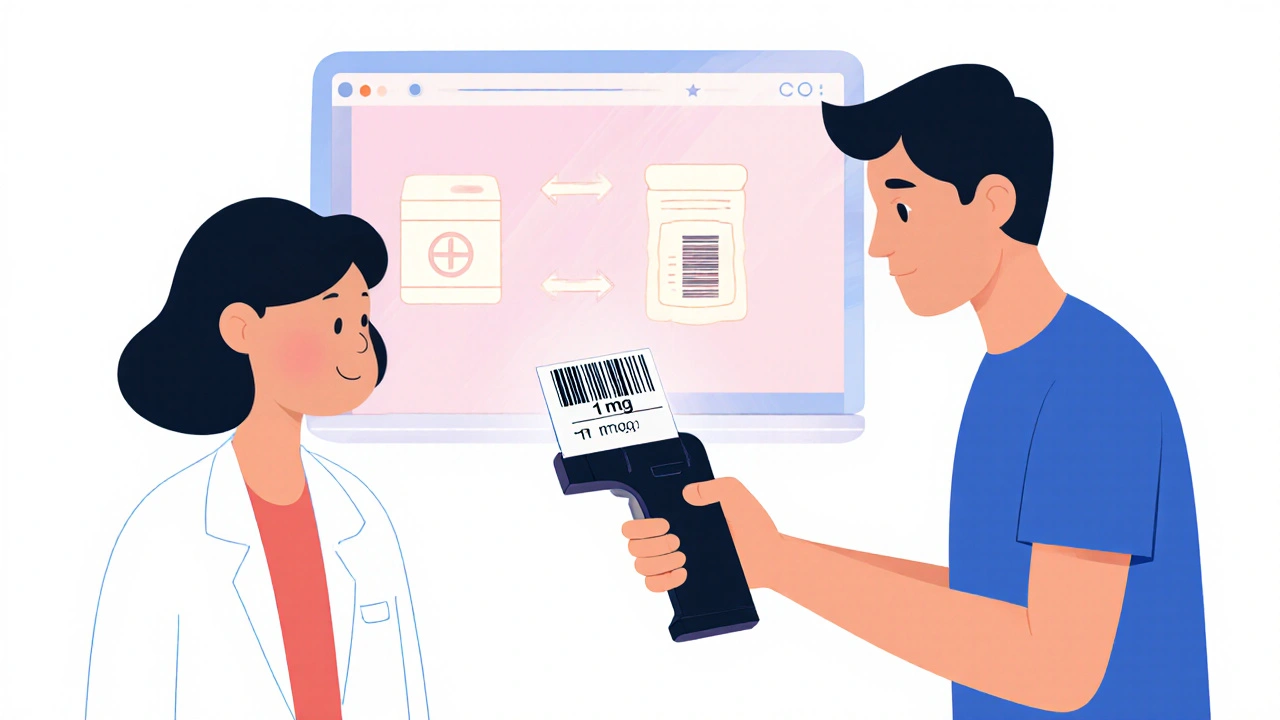
Learn how to safely transfer prescriptions while ensuring label accuracy to prevent deadly medication errors. Understand DEA rules, labeling standards, and best practices for pharmacists and patients in 2025.
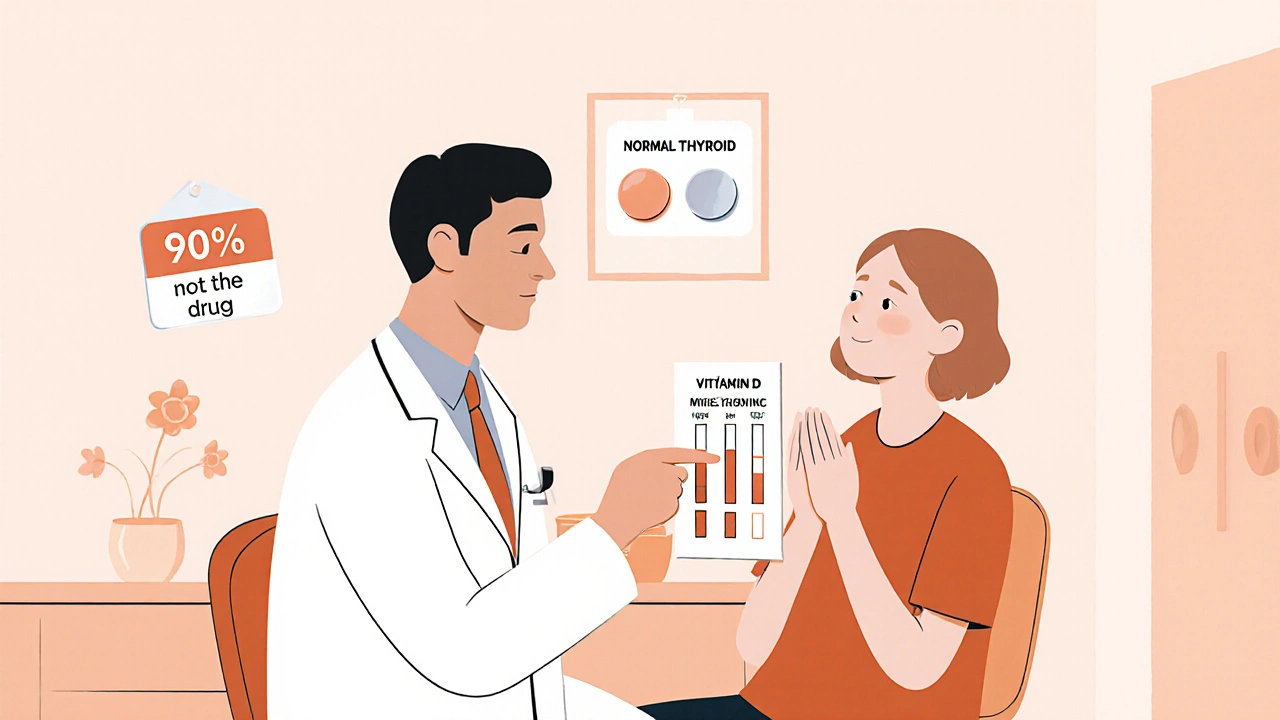
Most people who quit statins due to muscle pain can actually tolerate them with dose adjustments or switching to a different statin. Learn proven strategies to manage side effects and stay on life-saving treatment.
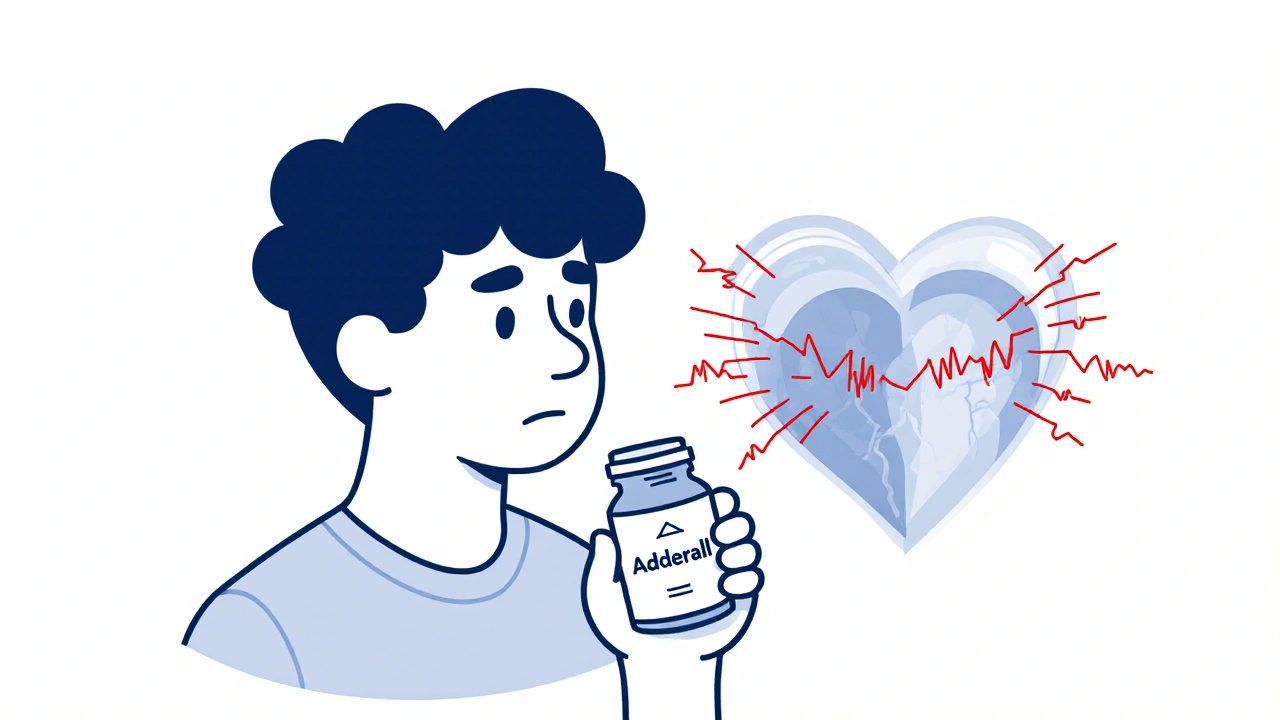
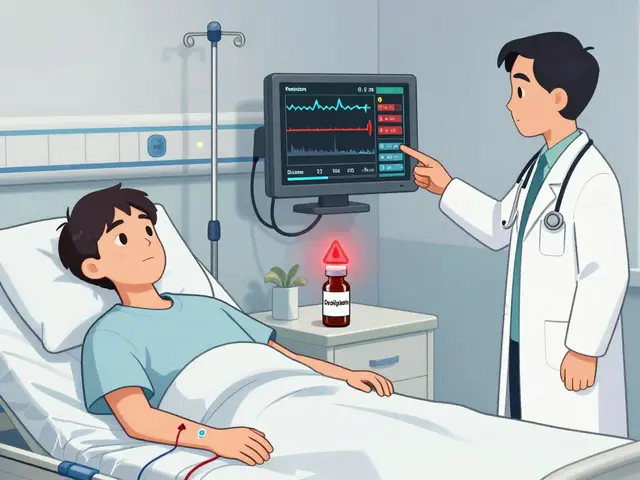
Stimulants for ADHD can improve focus but carry a small risk of cardiac arrhythmias. Learn who’s at risk, how to assess heart health, and what non-stimulant alternatives actually work.
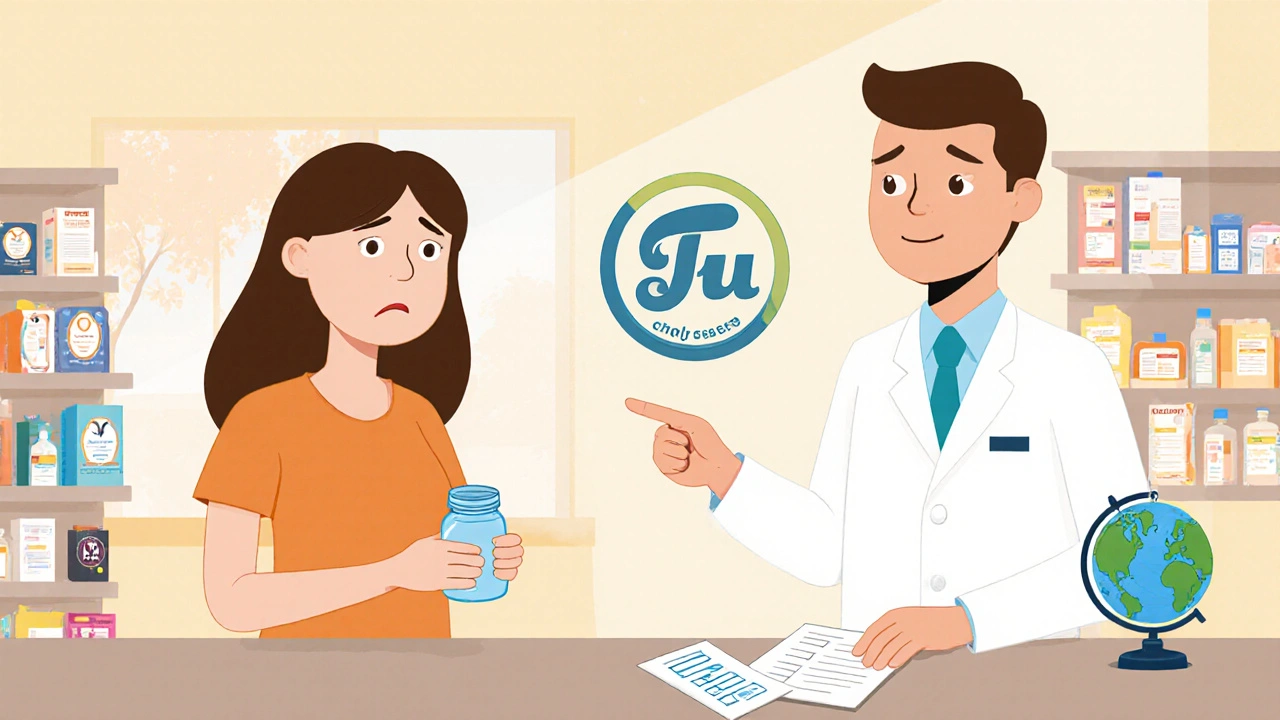
Losing your meds while traveling abroad can be dangerous. Learn how to replace them safely using travel insurance, doctor letters, and local clinics-plus what to avoid to stay healthy overseas.
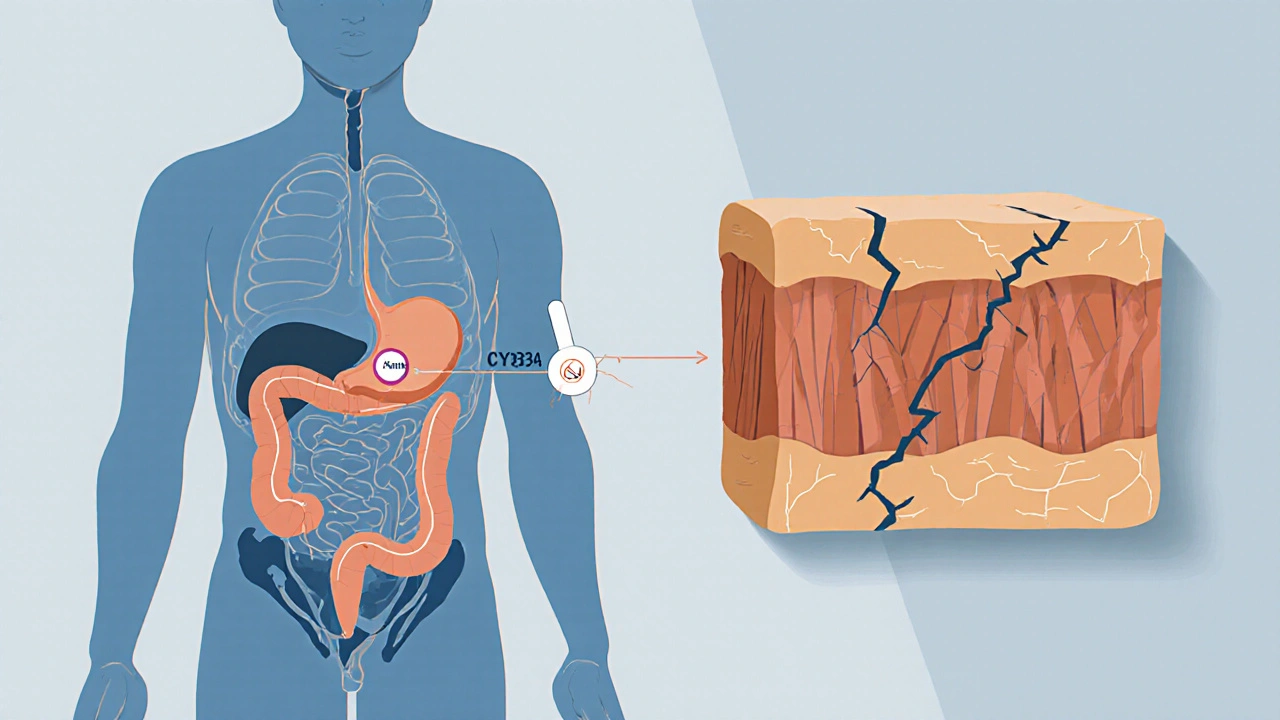
Learn the difference between pharmacokinetic and pharmacodynamic drug interactions-how they work, why they matter, and how to avoid dangerous combinations. Real-world examples and expert insights.
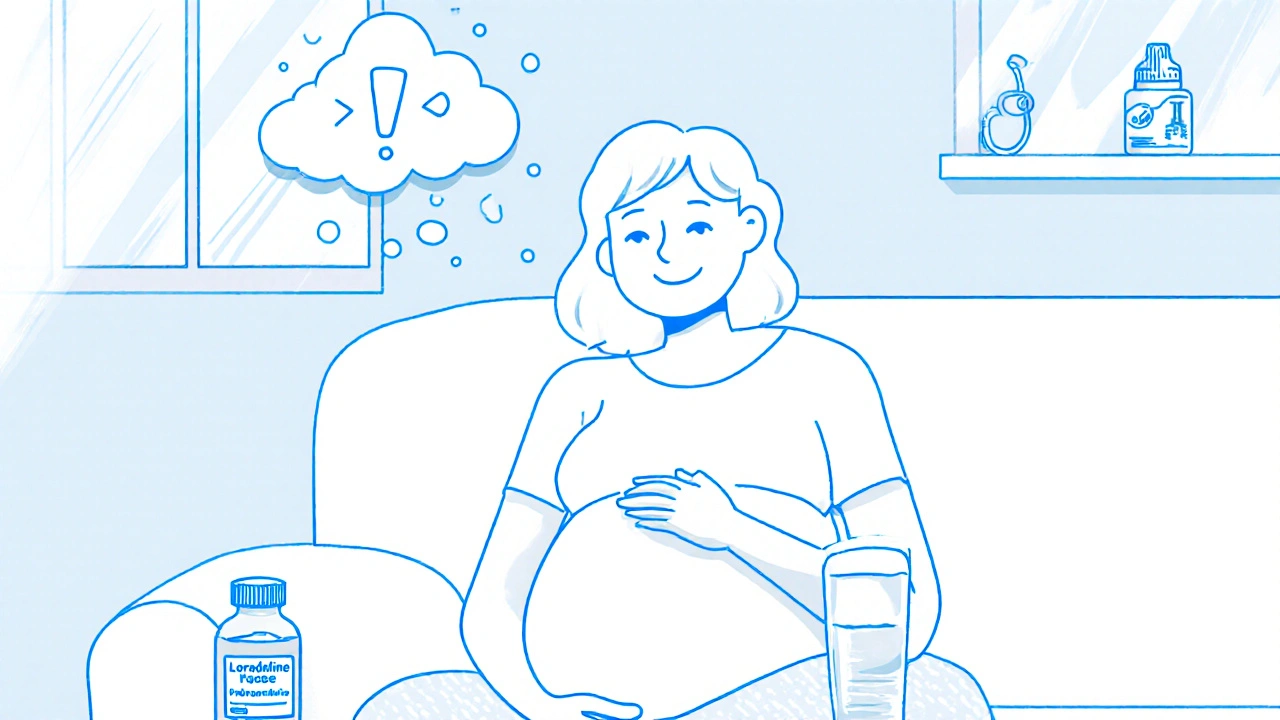
Learn which antihistamines are safe during pregnancy and which to avoid. Get clear guidance on loratadine, cetirizine, chlorpheniramine, and when to use nasal sprays instead.