Author: Iain French - Page 2
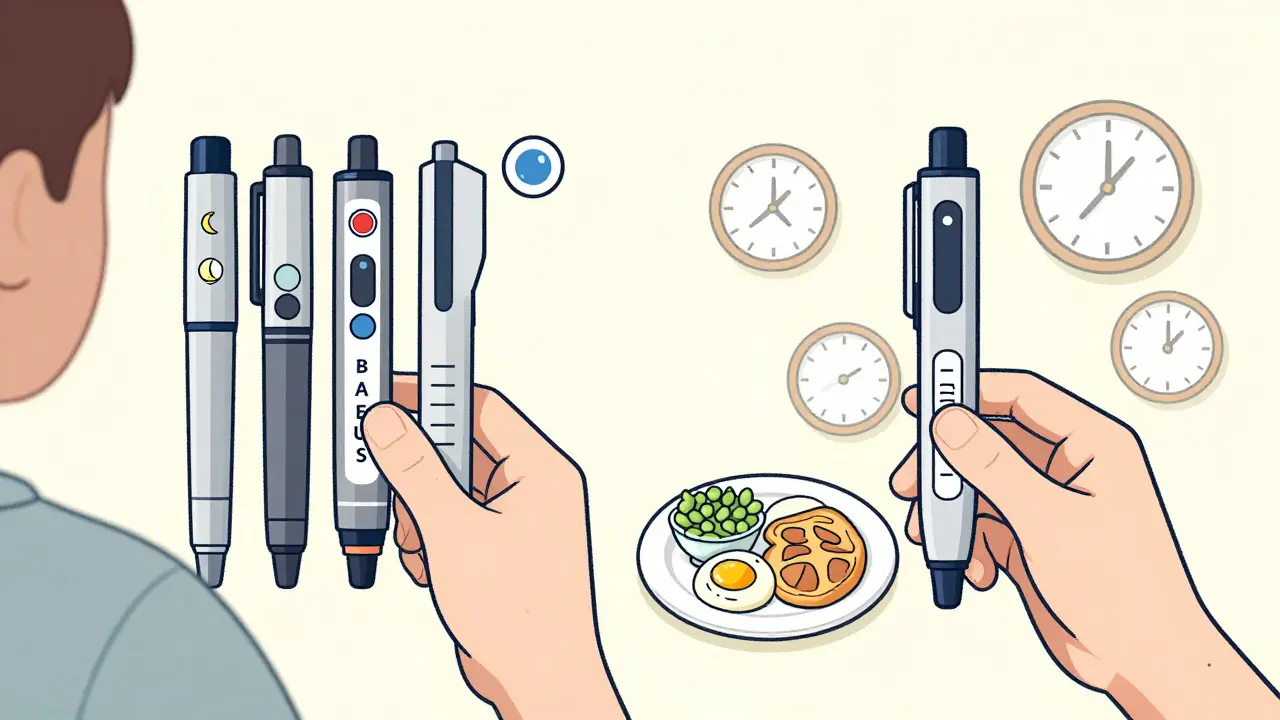
Basal-bolus and premixed insulin differ in side effects, flexibility, and daily life impact. Learn how each affects hypoglycemia risk, weight gain, and lifestyle fit for better diabetes management.
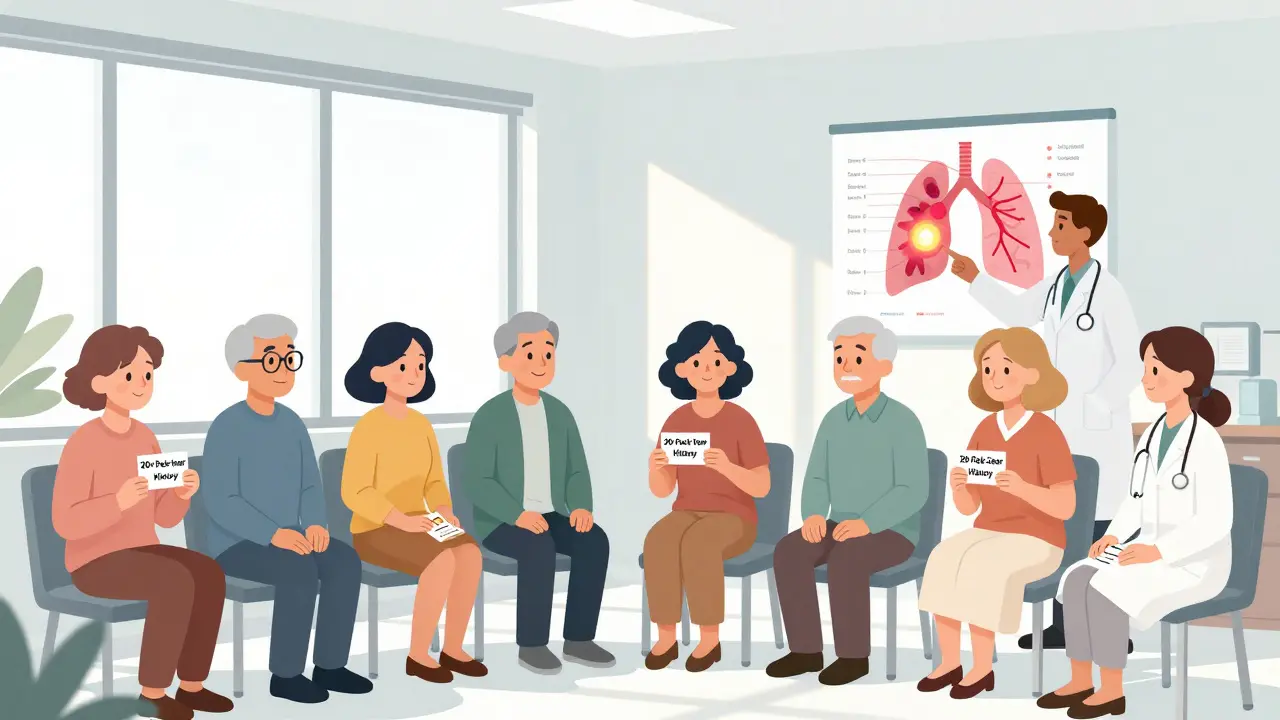
Lung cancer screening with low-dose CT scans saves lives - especially for smokers and former smokers. Learn who qualifies, how the test works, and how targeted therapies are changing survival rates after early detection.
Pharmacists, doctors, and specialists working as a team cut dangerous medication side effects by more than half. Learn how structured collaboration reduces hospitalizations, improves outcomes, and saves billions.
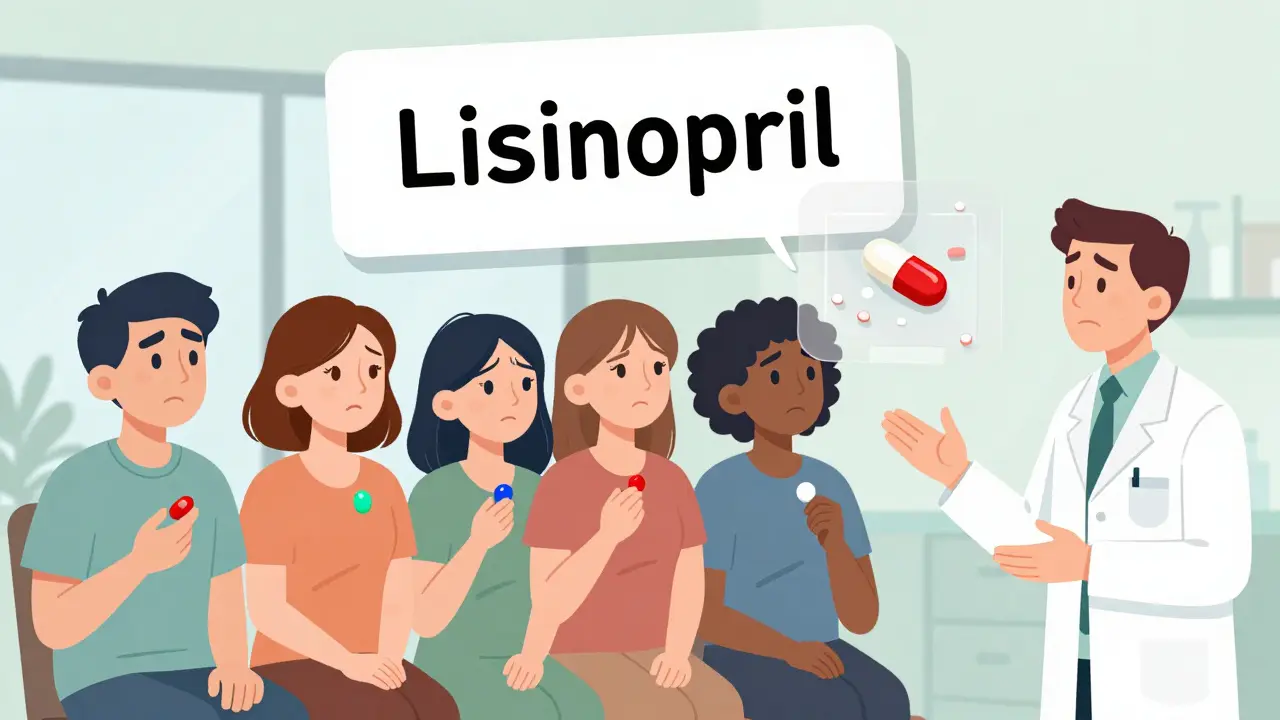
Many patients stop taking generic medications because they don’t understand they’re the same as brand-name drugs. Closing this knowledge gap saves lives, cuts costs, and improves adherence.
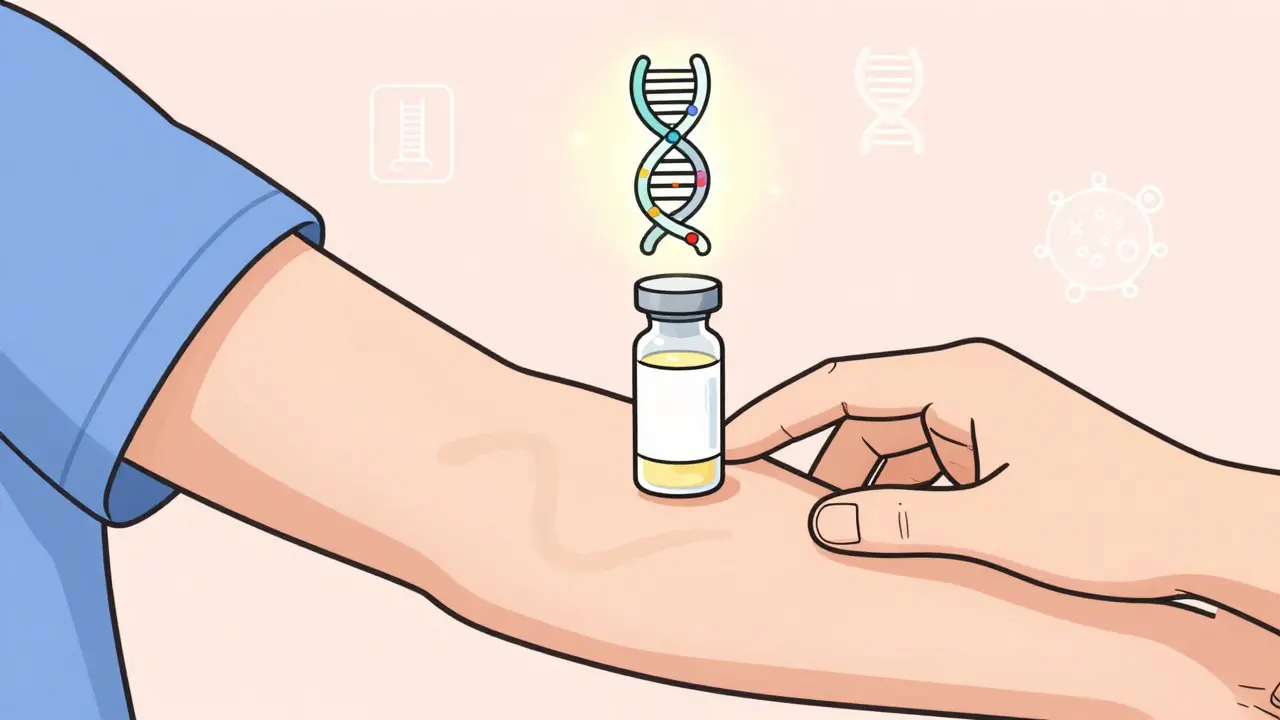
Biomarkers are transforming cancer clinical trials by matching patients to treatments based on their unique biology. Learn how inclusion criteria now rely on genetic and molecular markers to boost success rates - and what this means for patients.
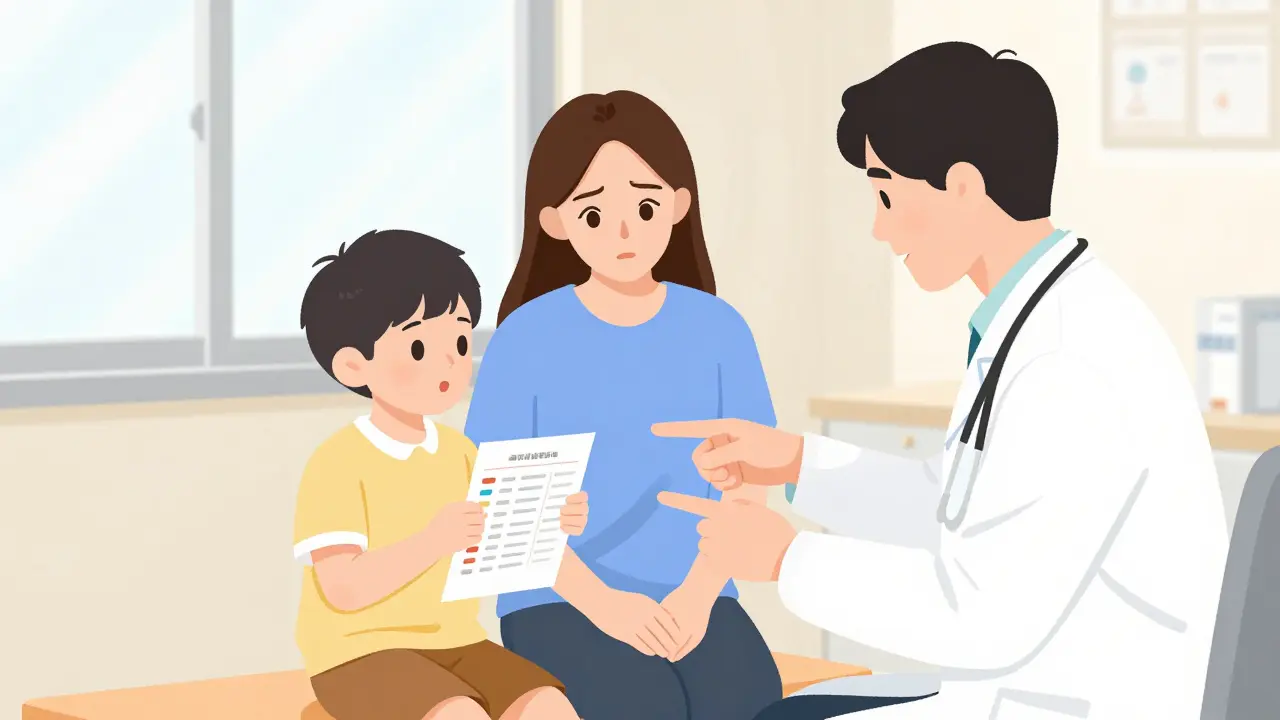
ADHD treatment combines medication and behavioral strategies. Stimulants work quickly but may cause side effects. Non-stimulants offer alternatives with fewer risks. Behavioral strategies build lifelong skills. Combining both approaches yields the best results.
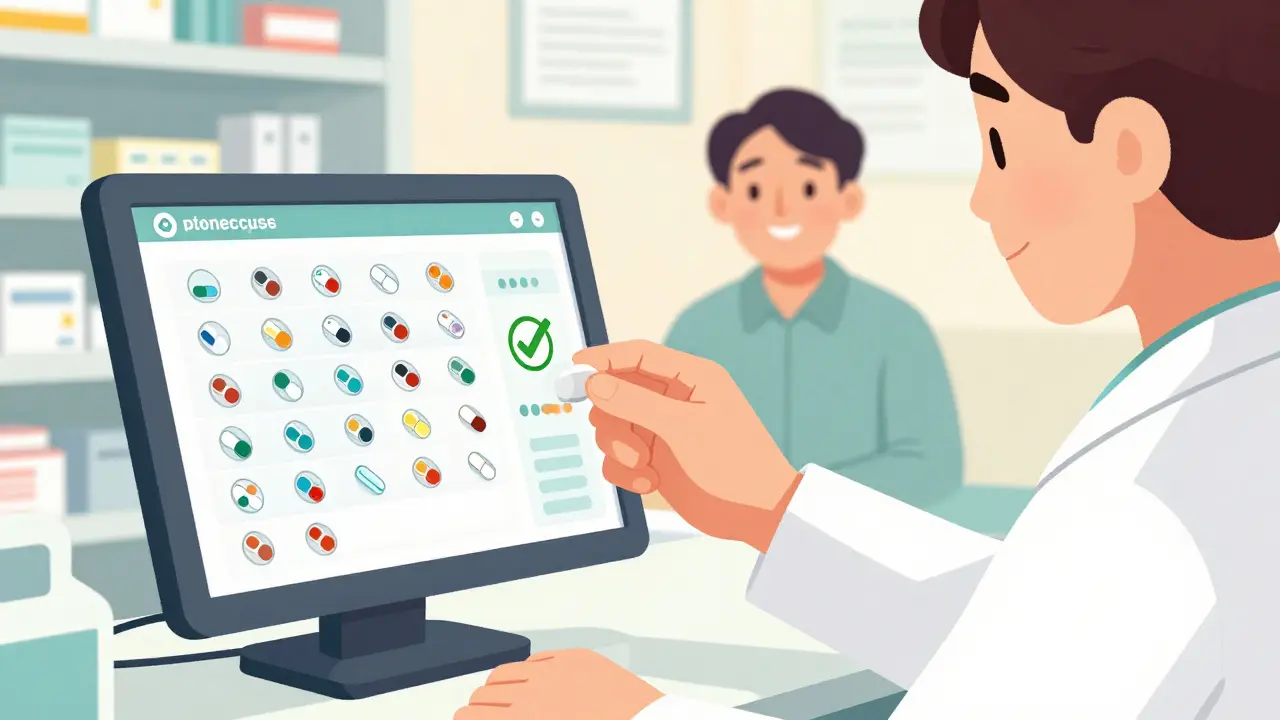
Personal Health Records (PHRs) consolidate prescription histories from multiple pharmacies into one place, reducing medication errors during care transitions. This guide explains how PHRs work, their benefits, challenges, and practical steps for effective use.
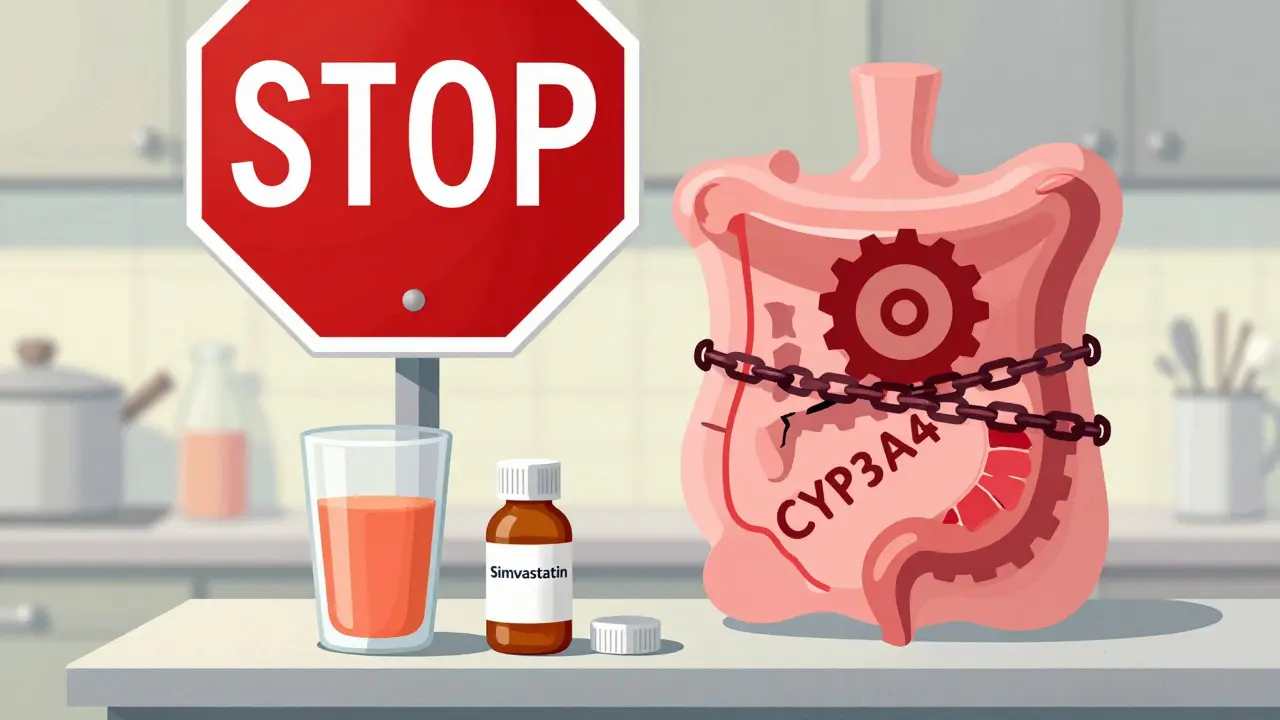
Grapefruit juice can dangerously increase drug levels in your blood by blocking a key enzyme. Over 85 medications, including statins and blood pressure drugs, interact with it. Even small amounts can cause serious harm. Avoid it completely if you're on affected meds.
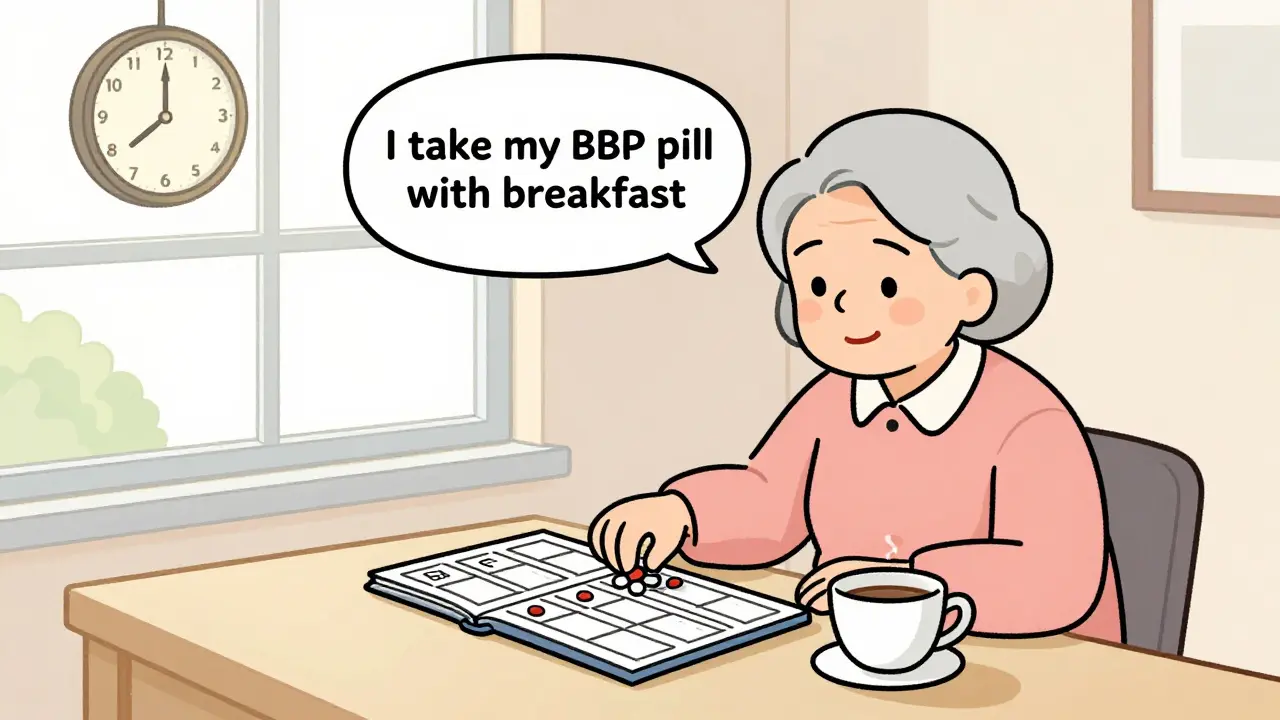
Skipping prescription doses can lead to serious health risks, from drug resistance to life-threatening complications. Learn why timing matters, which medications are most sensitive, and how to stay on track every day.
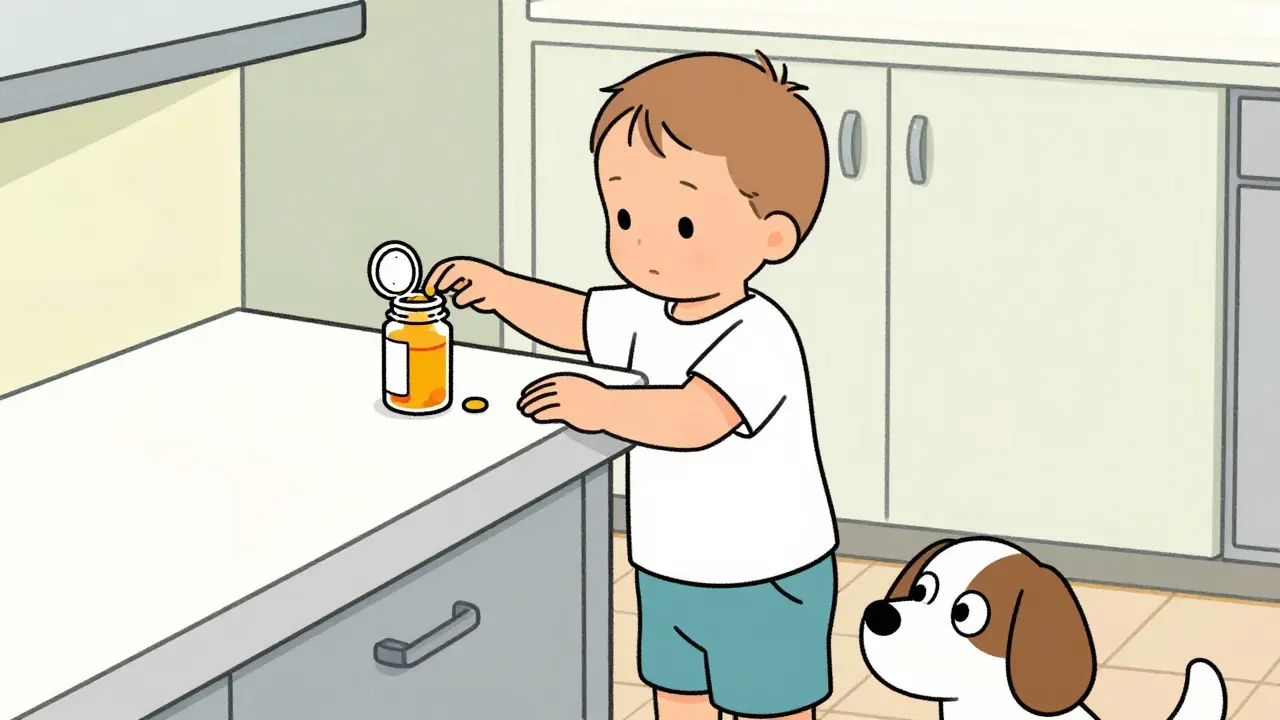
Accidental medication ingestion harms tens of thousands of children and pets each year. Learn how locked storage, separate locations for human and pet meds, and proper labeling can prevent poisonings and save lives.